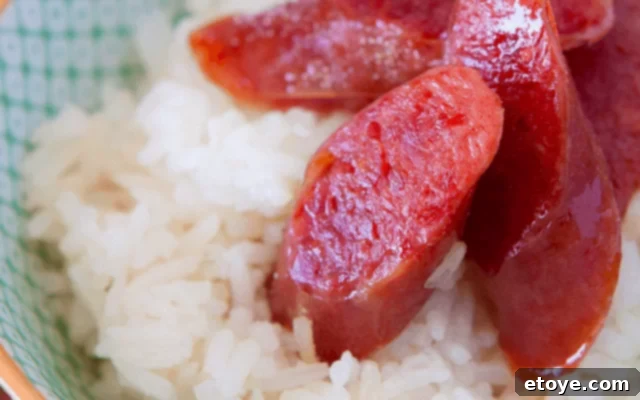
Savor the Sweet & Savory: Your Guide to Perfect Chinese Sausage and Rice with Homemade Sweet Soy Sauce
Embark on a culinary journey to discover the captivating flavors of Chinese sausage, a true cornerstone of authentic Chinese cuisine. This delightful ingredient, known as Lap Cheong, brings an irresistible blend of sweet, savory, and umami richness to any dish it graces. In this comprehensive guide, we’ll show you how to transform simple ingredients into a comforting, incredibly flavorful meal: perfectly cooked fluffy white rice paired with expertly prepared Chinese sausage, all elevated by a simple yet addictive homemade sweet soy sauce. Get ready to experience a taste sensation that’s both deeply satisfying and surprisingly easy to achieve.
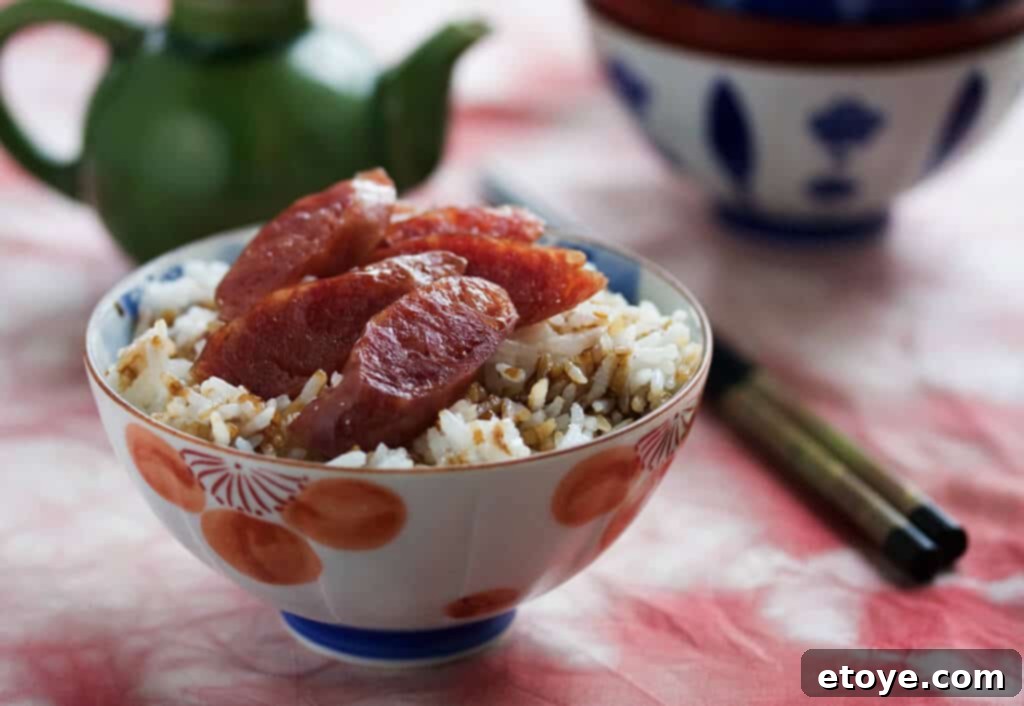
Why This Chinese Sausage and Rice Recipe Will Become Your New Favorite
This isn’t just another dinner recipe; it’s a testament to how simple ingredients can create extraordinary flavors. Here’s why this Chinese Sausage and Rice dish stands out:
- An Unforgettable Symphony of Flavors: Chinese sausage is a culinary marvel. Its unique texture—slightly chewy with succulent pockets of fat that render beautifully during cooking—delivers a profound sweet and savory taste. This isn’t just any sausage; it’s an umami-rich experience, often described as a candied bacon or sweet jerky, that’s truly hard to forget once you’ve tried it. When cooked alongside rice, its distinct aroma and flavor permeate every grain, creating a cohesive and deeply satisfying profile.
- The Secret Weapon: Our Homemade Sweet Soy Sauce: Forget generic soy sauce. Our special blend is a game-changer. Infused with aromatic garlic and shallots, then simmered to a perfect consistency with a balance of soy sauce, dark soy sauce, Chinese rice wine, and sugar, this sauce sings with umami goodness. It’s the magical finishing touch that binds the entire dish, transforming humble rice into a gourmet side and harmonizing beautifully with the rich sausage. You’ll want to drizzle it generously over everything!
- Faster Than Your Favorite Takeout: Craving authentic Chinese flavors but short on time? This recipe is your answer. It comes together remarkably quickly, often faster than ordering and waiting for delivery. It’s the ideal solution for busy weeknights when you want a satisfying, flavorful meal without a fuss. Perfect as a standalone main course or a hearty side, it offers maximum flavor with minimal effort.
- Simple, Accessible Ingredients: You won’t need to hunt for obscure spices or exotic components. This easy Chinese sausage recipe relies on a handful of pantry staples and readily available items from your local Asian market. With just a few basic ingredients, you’ll be well on your way to whipping up a meal that tastes like it came from a specialty restaurant.
Essential Ingredients for Your Chinese Sausage and Rice Feast
Gather these simple ingredients to create your next culinary masterpiece:
- Long grain jasmine rice (the fragrant aroma is key!)
- Water
- Chinese sausage (often labeled Lap Cheong)
For The Irresistible Sweet Soy Sauce
- Cooking oil (a neutral-flavored oil like vegetable or canola works best)
- Garlic cloves, smashed
- Shallots, roughly chopped
- Soy sauce (light/regular soy sauce)
- Dark soy sauce (for color and richer flavor, see substitution note below)
- Chinese rice wine or dry sherry
- Sugar
- Water
- Asian sesame oil
Mastering Chinese Sausage and Rice: A Step-by-Step Guide
Creating this flavorful dish is simpler than you think. Follow these steps for perfect results:
Cooking the Chinese Sausage and Rice
- Prepare the Rice: Begin by thoroughly washing your raw jasmine rice grains. Place the rice in a pot and cover it with cold water. Use your hands to gently swish the grains around, dislodging any excess starch and impurities. This crucial step is not just for cleanliness; rinsing removes surface starch, which is vital for achieving light, fluffy, and airy rice, rather than a heavy, sticky, or gummy texture. Carefully tilt the pot and pour out the cloudy water. Repeat this rinsing process two or three more times until the water runs mostly clear. Drain as much water as possible from the pot before proceeding.
- Combine and Cook: Once the rice is clean, measure and add 2 3/4 cups of fresh water to the pot. Gently nestle the Chinese sausage links directly among the rice grains. Place the pot on the stove over high heat. As soon as the water begins to bubble vigorously around the edges of the pot, reduce the heat to its lowest setting and immediately cover the pot with a tight-fitting lid. Allow the rice and sausage to cook undisturbed for precisely 18 minutes. Pro Tip: While your rice is cooking, this is the perfect time to prepare your Sweet Soy Sauce!
- The Art of Resting: Once the 18 minutes of cooking time are up, turn off the heat. Resist the urge to peek! Keep the pot covered and let it rest for an additional 5 minutes. This resting period is essential; it allows the residual steam to finish cooking the rice evenly, ensuring every grain is perfectly tender and fluffy.
- Slice and Serve: Carefully remove the sausages from the pot (they will be hot!). On a cutting board, slice them diagonally into appealing 1/2-inch-thick pieces. Fluff the cooked rice with a fork, then arrange the sliced sausages artfully on top. Drizzle a generous amount of your freshly made Sweet Soy Sauce over the entire dish. For those who love extra flavor, serve additional Sweet Soy Sauce at the table for drizzling as desired.
Crafting the Sweet Soy Sauce
- Infuse the Oil: In a small saucepan, add the cooking oil, smashed garlic cloves, and roughly chopped shallot. Place the saucepan over low heat. Allow the garlic and shallot to cook slowly and gently. This process infuses the oil with their aromatic flavors. Continue cooking until they turn golden brown, but be careful not to burn them, as this will impart a bitter taste.
- Build the Sauce: Using a slotted spoon, carefully remove and discard the browned garlic and shallots, leaving behind the fragrant, flavored oil in the saucepan. Add the remaining ingredients for the sweet soy sauce: regular soy sauce, dark soy sauce, Chinese rice wine (or dry sherry), sugar, and water. Bring the mixture to a gentle simmer, stirring occasionally. Continue to simmer for about 2-3 minutes, or until the sauce slightly thickens to a syrupy consistency. Finally, stir in the Asian sesame oil for a nutty finish.
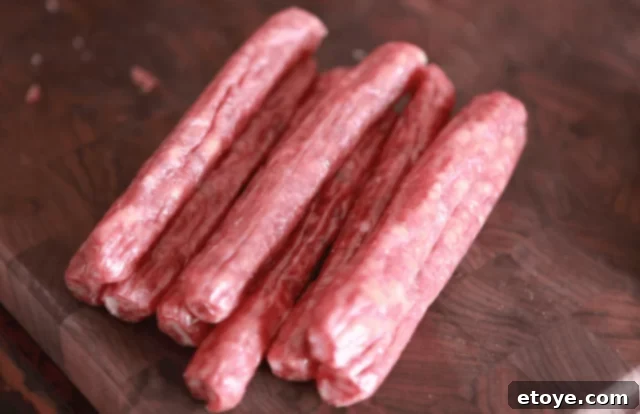
What Exactly is Chinese Sausage (Lap Cheong)?
Often hailed as the “rockstar” of Chinese cured meats, Chinese sausage, or 臘腸 (láp cháng in Mandarin, lap cheong in Cantonese), is a culinary delight unlike any other. Imagine the rich, caramelized notes of candied bacon mingling with the savory depth of a perfectly cured sausage, then add a unique, almost maple-like sweetness. That’s a close approximation of the exquisite flavor profile of Lap Cheong.
This traditional sausage is primarily made from pork and pork fat, which are meticulously marinated with a blend of soy sauce, sugar, salt, and various spices, then dried and often smoked. The curing process gives it a firm, chewy texture, while the fat pockets beautifully render during cooking, infusing dishes with incredible flavor and a melt-in-your-mouth richness. While pork-based Lap Cheong is the most common, you might also encounter varieties made with duck liver or pork liver at specialty Chinese markets. These liver sausages typically have a darker, deep reddish-brown hue and offer a more intense, sometimes slightly gamey, flavor compared to the classic pork version, which usually has a dull brick-red color.
Chinese sausage is incredibly versatile in Asian cooking. It’s frequently steamed to soften and release its oils, diced and stir-fried with vegetables or noodles, or, as in this recipe, cooked directly with rice to impart its distinct sweetness and aroma. Its presence elevates simple dishes, making it a beloved ingredient in kitchens across Asia and beyond.
Storing Your Chinese Sausage for Optimal Freshness
Thanks to its cured and dried nature, Chinese sausage boasts an excellent shelf life. You’ll typically find sweet Chinese sausage readily available at your local Asian market. An unopened package, when stored in a cool, dry pantry, can last for over a year – always check the expiration date on the packaging for precise guidance. For even longer preservation, you can freeze unopened packages for an extended period without compromising quality.
If you’ve opened a package and only used a few links, ensure the remaining sausages are tightly wrapped in plastic wrap. They can then be refrigerated for up to 6 months or stored in the freezer for even longer. Properly stored, you’ll always have this flavorful ingredient on hand to elevate your meals. Remember, when selecting your sausage, read the package carefully; I personally prefer Chinese sausage without liver for a milder, classic flavor. Liver sausage tends to be darker, almost blood-red, while regular pork-based Chinese sausage has a more muted brick-red appearance.
If you’re fortunate enough to live near a vibrant Chinatown, you might even spot Chinese sausage hanging in storefronts, a traditional sight that speaks to its authentic preparation and heritage. This traditional display (image source: Wikipedia) showcases the artisanal process of air-drying that contributes to its distinct flavor and texture.
The Simplest Way to Cook Chinese Sausage: Infuse Your Rice!
Without a doubt, the easiest and most flavorful way to prepare Chinese sausage is to cook it directly with your rice. By simply nestling the sausage links into the same pot or rice cooker, you achieve a fantastic synergy. As the rice cooks, the sausage gently steams and renders its delicious, savory-sweet fat, which then seeps into and flavors every single grain of rice. This method not only cooks the sausage to perfection but also imparts an incredible depth of flavor to your rice, making it far from a bland side dish.
The Magic of Sweet Soy Sauce: A Drizzle of Perfection
Years ago, my mother shared her cherished recipe for a simple yet profound sweet soy sauce—a staple in many Chinese households. This isn’t just a condiment; it’s an integral component, often found drizzled over classic dishes like Chinese Clay Pot Chicken & Rice. For our Chinese Sausage and Rice, this sweet soy sauce is the ultimate complement, enhancing and harmonizing the flavors of the dish.
The sauce begins by infusing a neutral cooking oil with the robust aromatics of garlic and shallots. Once fragrant, a combination of regular soy sauce, the deeper notes of dark soy sauce, and a splash of Chinese rice wine are added. This mixture is then gently simmered with sugar until it achieves a beautifully thick, glistening consistency that clings perfectly to each grain of rice.
What is Dark Soy Sauce? Dark soy sauce is distinct from regular soy sauce. It is thicker, darker in color, slightly sweeter, and less salty. Its primary purpose in Chinese cooking is to add a rich, reddish-brown hue and a subtle depth of flavor to braises, stir-fries, and sauces, contributing to the appetizing appearance of many dishes.
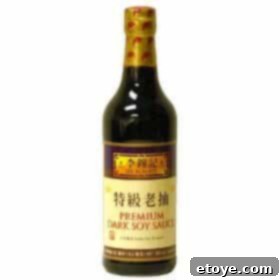
No Dark Soy Sauce? No Problem! If dark soy sauce isn’t readily available, you can easily substitute it. Simply use an equivalent amount of regular soy sauce and add a teaspoon of honey or molasses to achieve a similar rich color and hint of sweetness. The dish will still be incredibly delicious!
Top Tips for Chinese Sausage and Rice Perfection
- Rinse Your Rice Thoroughly: Don’t skip this step! Rinsing removes excess starch, guaranteeing light, fluffy, and separate rice grains rather than a sticky, gummy mess.
- Sweet Soy Sauce is Optional, But Highly Recommended: While the Chinese sausage itself imparts a tremendous amount of flavor to the rice, the sweet soy sauce truly elevates the dish to another level. It adds an extra layer of complexity and balance that transforms it into a gourmet experience.
- Let the Rice Rest: After cooking, always let the covered pot of rice sit undisturbed for 5 minutes. This steaming process allows the grains to finish cooking evenly and absorb any remaining moisture, resulting in perfectly tender and plump rice.
- Choose Your Wine: Chinese rice wine or dry sherry can be used interchangeably in the sweet soy sauce. Both contribute a delicate, aromatic depth that rounds out the flavors beautifully.
- Don’t Forget the Presentation: Arrange the diagonally sliced sausage on top of the fluffed rice. A sprinkle of chopped green onions or cilantro can add a burst of color and fresh flavor.
Frequently Asked Questions About Chinese Sausage and Rice
We’ve got answers to your most common queries about this delightful dish:
What kind of rice works best for Chinese Sausage and Rice?
Long grain rice, especially fragrant jasmine rice, is highly recommended for this recipe. Its unique aroma and ability to cook up fluffy and separate make it the perfect canvas for soaking up the rich, savory flavors from the Chinese sausage and the sweet soy sauce. While sticky rice or glutinous rice could offer a different, chewier texture, jasmine rice truly allows the distinctive sweet and savory notes of the Chinese sausage to shine through, providing a balanced and delightful mouthfeel.
Can I add vegetables to this dish to make it more balanced?
Absolutely! Adding vegetables is a fantastic way to introduce more nutrients and color to this meal. Options like crisp green beans, tender Chinese broccoli (gai lan), bok choy, or even thinly sliced bell peppers can turn this into a more complete and balanced dish. To incorporate them, give your chosen vegetables a quick stir-fry over medium-high heat with a touch of oil and a pinch of salt until they are tender-crisp. You can then gently fold them into the cooked rice, or serve them on the side. Topping the finished dish with fresh chopped green onions (scallions) also adds a wonderful, bright counterpoint to the richness of the sausage and sauce.
How can I store and reheat leftovers?
Leftover Chinese Sausage and Rice stores wonderfully! Simply transfer any remaining portions into an airtight container and refrigerate for up to 3 days. To reheat, you have a couple of excellent options. For a quick reheat, microwave individual servings with a splash of water (about a tablespoon per cup of rice) to help keep the rice moist and prevent it from drying out. Alternatively, for an even more delicious result, stir-fry the leftovers in a pan over medium heat with a little oil. This method gives the rice a delightful, slightly crispy texture and brings out the flavors all over again. In fact, many people find that the flavor of the Chinese sausage and rice deepens overnight, making leftovers a real treat!
Where can I buy Chinese sausage (Lap Cheong)?
Chinese sausage is widely available in most Asian grocery stores and supermarkets with a well-stocked international aisle. Look for it in the refrigerated or dried goods section, often near other cured meats or specialty Asian ingredients. You can also find it online through various Asian food retailers. When purchasing, opt for reputable brands and check the ingredients list if you have a preference for pork-only versions versus liver-blended types.
Is Chinese sausage healthy?
Chinese sausage is a flavorful, energy-dense food. While it contributes protein and a unique taste, it is also relatively high in fat and sodium due to its curing process. Like most cured meats, it’s best enjoyed in moderation as part of a balanced diet. Pairing it with a generous portion of rice and adding fresh vegetables, as suggested, helps create a more well-rounded meal.
Explore More Chinese Sausage Recipes
- Pressure Cooker Chinese Sausage and Brown Rice
- Brussels Sprouts with Chinese Sausage
- Chinese Sweet & Sour Spare Ribs Recipe
- Chinese Bird’s Nest Soup Recipe
We hope you enjoy this delightful Chinese Sausage and Rice recipe! We’d love to hear about your experience. Feel free to leave a star rating and share your thoughts in the comments section below!
Chinese Sausage and Rice Recipe – with Sweet Soy Sauce
The Sweet Soy Sauce is optional, but trust me, it truly elevates the dish! Cook the Sweet Soy Sauce while your Chinese Sausage and rice cook for maximum efficiency. The Sweet Soy Sauce calls for dark soy sauce; if you do not have dark soy sauce, substitute with 2 tablespoons regular soy sauce plus 1 teaspoon honey or molasses.
Rating: 4.34 out of 5 stars based on 6 votes
Print Recipe
Pin Recipe
Prep Time: 5 mins
Cook Time: 20 mins
Total Time: 25 mins
Course: Main Course
Cuisine: Chinese
Servings: 4 people
Calories: 584 kcal
Ingredients
For the Chinese Sausage and Rice
- 1 1/2 cups long grain rice (jasmine rice preferred)
- 2 3/4 cups water
- 4 Chinese sausage links (or more, to taste)
For the Sweet Soy Sauce
- 1 tablespoon cooking oil (neutral-flavored like vegetable, canola)
- 2 cloves garlic, smashed
- 1 shallot, roughly chopped
- 1/4 cup soy sauce
- 2 tablespoons dark soy sauce (for substitute, see notes at top of recipe)
- 1 tablespoon Chinese rice wine (or dry sherry)
- 2 tablespoons sugar
- 2 tablespoons water
- 1/4 teaspoon Asian sesame oil
Instructions
Cook the Chinese Sausage and Rice
- Wash the raw rice grains thoroughly. Fill a pot with the rice and cold water to cover. Swish the rice grains with your hands to loosen extra starch and dirt. Rice is a raw ingredient, and washing is important for hygiene and to achieve light, fluffy, airy rice by removing excess starch. Tip the pot and carefully pour out the water. Repeat two more times until water is mostly clear. Drain as much water as possible from the pot.
- Measure and add 2 3/4 cups of water to the pot. Snuggle the Chinese sausage links into the rice grains. Turn the heat to high. When the water near the edge of the pot starts bubbling, cover the pot tightly and reduce the heat to low. Cook for 18 minutes. Note: While the rice is cooking, prepare the Sweet Soy Sauce.
- When the rice has finished cooking, turn off the heat but keep the pot covered – no peeking! Let it sit with the lid on for 5 minutes to complete the steaming process and ensure perfectly cooked rice.
- Carefully remove the hot sausages from the pot. Slice them on the diagonal into 1/2-inch-thick pieces. Arrange the sliced sausages on top of the fluffed rice and drizzle the prepared Sweet Soy Sauce over the entire dish. Serve extra Sweet Soy Sauce at the table for guests to add as they wish.
Sweet Soy Sauce
- In a small saucepan, add the cooking oil, smashed garlic, and roughly chopped shallot. Turn the heat to low and allow the garlic and shallot to cook slowly until they begin to brown lightly, but do not let them burn.
- Use a slotted spoon to remove the browned shallots and garlic and discard them, leaving the flavorful infused oil in the saucepan. Add the remaining ingredients for the sauce: soy sauce, dark soy sauce, Chinese rice wine, sugar, and water. Bring the mixture to a gentle simmer. Continue to simmer until the sauce thickens slightly, about 2-3 minutes. Stir in the Asian sesame oil before serving.
Nutrition
Calories: 584kcal | Carbohydrates: 36g | Protein: 19g | Fat: 39g | Saturated Fat: 12g | Cholesterol: 85mg | Sodium: 1801mg | Potassium: 361mg | Sugar: 13g | Vitamin C: 3.2mg | Calcium: 37mg | Iron: 1.9mg
Keyword: chinese sausage, rice, lap cheong
Tried this recipe?
Let us know how it was!