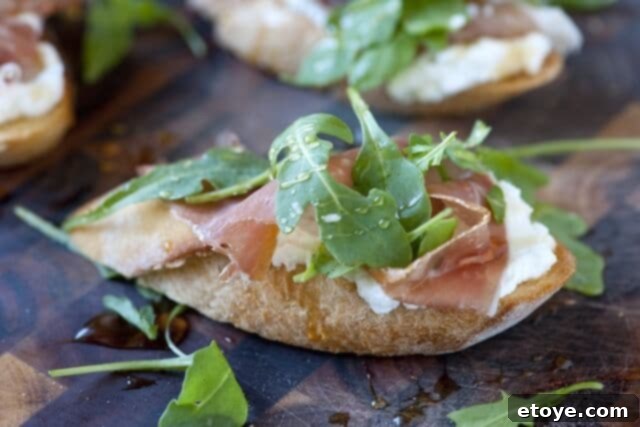
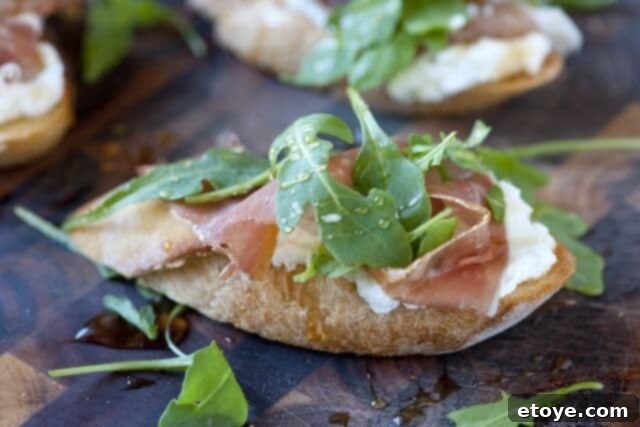
Embark on a culinary journey to the heart of Italy, a land renowned for its exquisite flavors and time-honored traditions. A few weeks ago, I had the incredible opportunity to immerse myself in the world of Prosciutto di Parma, discovering every intricate detail behind this legendary Italian delicacy. Stepping onto Italian soil for this experience was a dream come true, especially since it was a unique job perk that allowed me to represent Jaden, who, despite her extensive travels, had yet to visit Italy herself. My mission was clear: eat, learn, and savor every moment on her behalf, a task I, as a dedicated assistant, carried out with immense pleasure and grace. The timing couldn’t have been more perfect, as Jaden was simultaneously hosting the 3rd annual dumpling festival in New York City, a hugely successful event that raised over $46,000 for the Food Bank for NYC. This alignment of delicious endeavors made the entire experience even more memorable.
The Authentic Story of Prosciutto di Parma: A Culinary Legacy
Prosciutto di Parma, often simply referred to as Parma Ham, is more than just cured meat; it’s a testament to centuries of Italian culinary heritage, a product of passion, patience, and precise craftsmanship. It holds the prestigious DOP (Protected Designation of Origin) status, a guarantee of its authenticity and quality, ensuring that every slice adheres to strict traditional methods originating from the Parma region of Italy. What might surprise many is the profound simplicity at its core: only two ingredients are necessary to create this world-renowned delicacy – natural sea salt and specially selected Italian pork.
The pork used for Prosciutto di Parma isn’t just any pork. It comes from specific breeds, primarily the Large White, Landrace, and Duroc, raised exclusively in one of ten regions across Northern Italy. These pigs follow a carefully monitored diet, often including the whey from Parmigiano-Reggiano cheese production, which contributes to the distinctive flavor and texture of the meat. This meticulous attention to the animals’ welfare and diet is a foundational element in achieving the unparalleled quality of Parma Ham.
The Art of Curing: From Pig to Perfection
The journey of Prosciutto di Parma from fresh pork leg to a revered culinary masterpiece is a fascinating process spanning at least 12 months, and often much longer. It’s a craft passed down through generations, relying on the unique microclimate of the Parma region – a delicate balance of sea air from the Versilia coast and dry winds from the Apennine mountains. Here’s a closer look at the key stages:
- Salting: The fresh pork legs are carefully massaged and covered with sea salt. This initial step is crucial for drawing out moisture and inhibiting bacterial growth. The hams undergo two salting phases, with a short rest period in between.
- Resting: After salting, the hams are hung in specialized refrigerated rooms for about 60 to 90 days. During this period, the salt is absorbed evenly into the meat, and the hams begin to dry out.
- Washing and Drying: The hams are then washed to remove excess salt and hung in well-ventilated rooms, often near open windows, to dry naturally in the distinctive Parma air for several months. This is where the region’s climate plays a vital role in developing the ham’s unique characteristics.
- Sugnatura (Greasing): Around the seventh month, a mixture of pork fat, salt, and pepper, called ‘sugna,’ is applied to the exposed muscle of the ham. This protective layer prevents the outer layers from drying too quickly, allowing the inner meat to remain tender and moist, and facilitates the gradual absorption of air.
- Curing: The hams are then moved to “cantine” or cellars, cooler and darker rooms where they hang for the remainder of the curing period, often until at least 12 months have passed. During this stage, complex biochemical processes occur, developing the ham’s characteristic aroma and flavor.
- Piercing and Branding: Finally, master salters (known as “Maestro Salatore”) use a special horse bone needle to pierce the ham at five specific points, sniffing each point to evaluate the aroma and ensure optimal quality. If approved, the five-point Ducal Crown brand of Parma is seared onto the ham, officially designating it as authentic Prosciutto di Parma.
My visit offered an unparalleled insight into this intricate process. Seeing the rows of hams aging, inhaling the distinctive aroma, and observing the dedication of the artisans was truly an education in itself. And yes, as you can see in the photos, that’s me in the amusingly oversized hairnet – a necessary accessory for hygiene, though certainly not a fashion statement of my choosing!
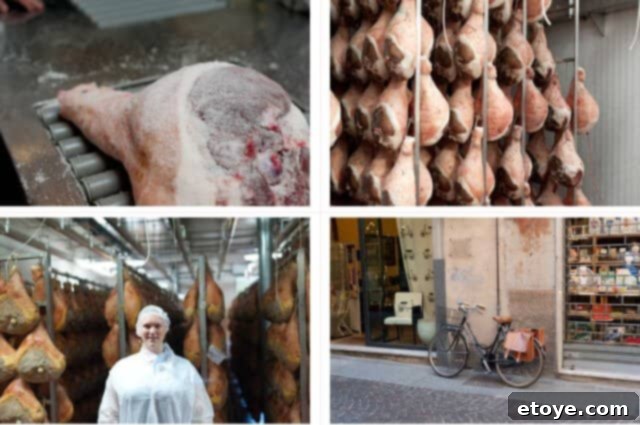
From top right: “First Salt,” Curing Process, Joanne in a funny hat, How Italians must work off all that delicious Parma Ham!
The experience underscored that Prosciutto di Parma is not just food, but a piece of Italian culture, a slow-crafted delicacy that embodies the region’s rich history and natural bounty. It’s a flavor that tells a story, a testament to tradition in every delicate slice.
Crafting Delight: Prosciutto and Ricotta Crostinis with Honey
Inspired by the rich flavors and authentic experience of Prosciutto di Parma, I couldn’t wait to bring a taste of Italy back to my kitchen. Crostinis are a perfect canvas for highlighting high-quality ingredients, and the combination of savory prosciutto, creamy ricotta, peppery arugula, and a touch of sweet honey creates an appetizer that is both elegant and incredibly simple to prepare. These Crostinis are ideal for a sophisticated cocktail party, a starter for a special meal, or simply a delightful snack to share with friends.
Ingredients for Prosciutto and Ricotta Crostinis with Honey
To create these delectable bites, you’ll need just five key ingredients:
- Fresh French baguette
- Premium Prosciutto di Parma
- Creamy Ricotta cheese
- Fresh Arugula leaves
- Golden Honey
- A touch of olive oil for toasting
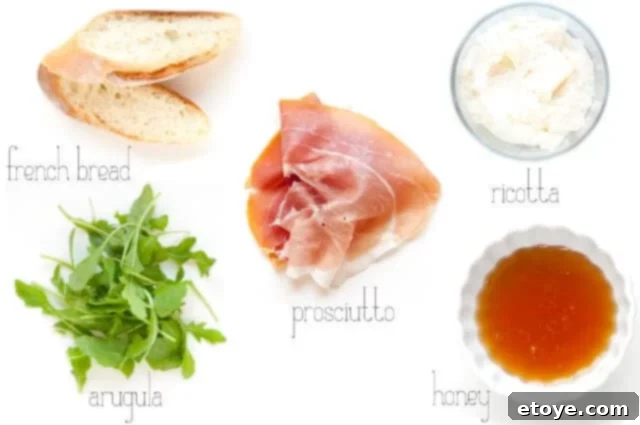
The beauty of this recipe lies in the quality of its components. Opt for a fresh, crusty baguette for the perfect crunch. When selecting prosciutto, remember the journey we discussed; authentic Prosciutto di Parma will elevate the entire dish. Choose a good quality, full-fat ricotta for maximum creaminess, and fresh, vibrant arugula to add a slight peppery bite that beautifully contrasts with the other flavors. Finally, a good quality honey will provide that essential touch of sweetness, balancing the savory elements.
Step-by-Step Preparation: A Symphony of Flavors
Creating these crostinis is a breeze, promising maximum flavor with minimal effort.
Start by preheating your oven to 350 degrees F (175 degrees C). This ensures your baguette slices will toast evenly and quickly. Then, take your French baguette and slice it on the diagonal into approximately 20 pieces, each about 1/2-inch thick. Slicing on the diagonal not only creates a larger surface area for toppings but also gives the crostinis an elegant presentation. Lightly brush each slice with a good quality olive oil. This adds flavor and helps the bread achieve a golden, crisp texture when baked.
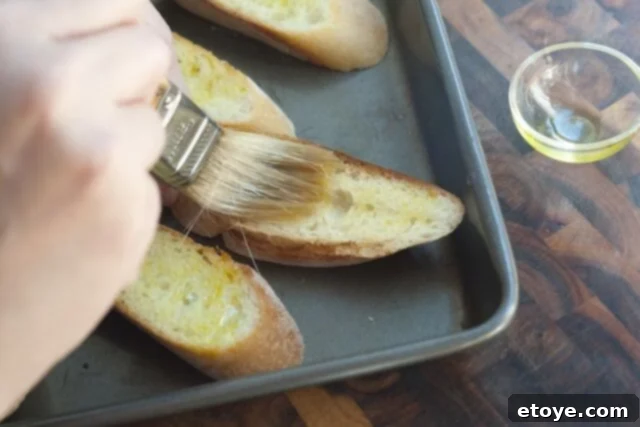
Arrange the olive-oil brushed bread slices on a baking sheet and bake for 2-3 minutes, or until the edges just begin to toast and turn a light golden brown. Keep a close eye on them, as they can quickly go from perfectly crisp to overly browned. The goal is a light toast, providing a sturdy base without being too hard.
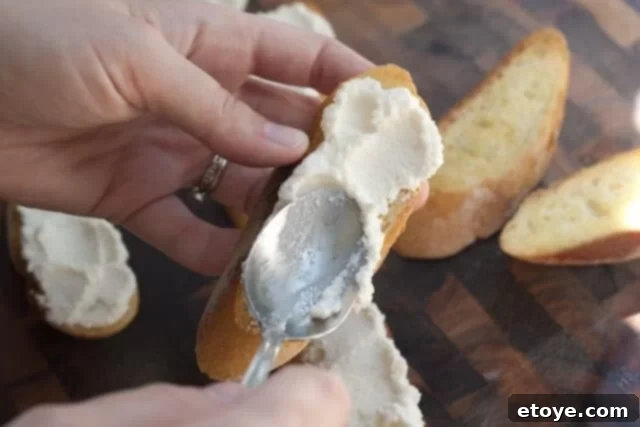
While the slices are still warm from the oven, generously spread a dollop of fresh ricotta cheese onto each toasted piece of bread. The warmth of the bread will slightly soften the ricotta, making it even creamier and allowing it to meld beautifully with the baguette. The creamy texture of the ricotta provides a lovely counterpoint to the crisp bread.
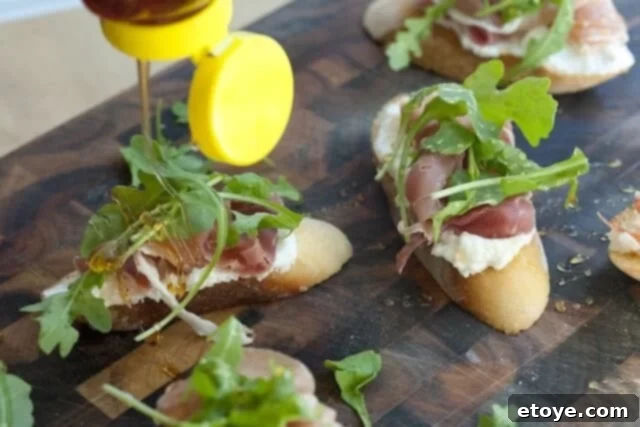
Next, it’s time for the star of the show! Gently place a delicate slice of Prosciutto di Parma on top of the ricotta. The paper-thin slices will drape elegantly, offering their signature salty, savory notes. Follow this with a few fresh arugula leaves. The peppery, slightly bitter greens add a vibrant burst of color and a refreshing counter-flavor that cuts through the richness of the cheese and ham. Finally, drizzle a light amount of honey over the top. This final touch introduces a delicate sweetness that surprisingly enhances all the other flavors, creating a truly balanced and addictive appetizer.
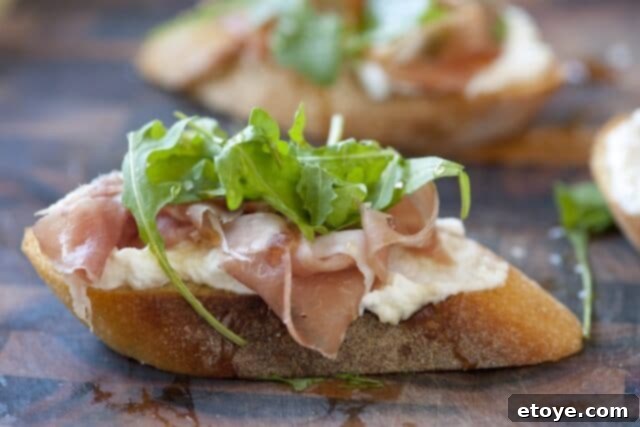
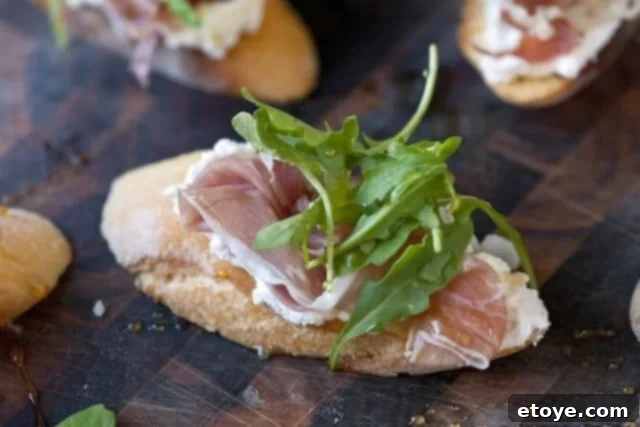
Serve these exquisite crostinis immediately to enjoy them at their peak, where the bread is still crisp, the ricotta creamy, and all the flavors are harmoniously vibrant. These are sure to be a crowd-pleaser and a perfect way to share a piece of Italian-inspired culinary magic with your guests.
Prosciutto and Ricotta Crostini with Honey Recipe
These would be great served at a cocktail party or at the beginning of a special meal.
Print Recipe
Pin Recipe
Ingredients
- 1 baguette, sliced on the diagonal into 1/2-inch slices
- 1 tablespoon olive oil
- 1 cup ricotta cheese
- 1/2 pound prosciutto
- 2 cups arugula
- 2 tablespoons honey
Instructions
- Preheat oven to 350 degrees F.
- Lightly brush bread slices with olive oil, and then bake in the oven for 2-3 minutes until the edges begin to brown.
- Spread ricotta cheese onto each toasted bread slice, and then top with a slice of prosciutto, arugula leaves and a drizzle of honey.
Notes
Recipe adapted from Food + Words
Let us know how it was!
Serving Suggestions and Wine Pairings
These Prosciutto and Ricotta Crostinis with Honey are incredibly versatile and perfect for various occasions. For a more substantial appetizer spread, consider serving them alongside an antipasto platter featuring olives, marinated artichoke hearts, and other cured meats. They also pair wonderfully with a fresh green salad tossed with a light vinaigrette, offering a delightful contrast in textures and flavors.
When it comes to beverages, these crostinis shine with a crisp, dry white wine. A chilled Prosecco, with its delicate bubbles and fruity notes, provides an excellent complement, enhancing the sweetness of the honey and the saltiness of the prosciutto. Other suitable choices include a light Pinot Grigio or a Verdicchio, both offering refreshing acidity that cleanses the palate beautifully. For non-alcoholic options, sparkling water with a slice of lemon or a light, unsweetened iced tea would be equally delightful.
Embrace the Italian Spirit in Your Kitchen
My journey to Parma was an unforgettable exploration into the heart of Italian culinary excellence, revealing the dedication and artistry behind every slice of Prosciutto di Parma. It was a privilege to witness firsthand the traditions that make this delicacy so revered worldwide. Returning home, inspired by this authentic experience, I was eager to recreate some of that Italian magic in my own kitchen, leading to this simple yet sophisticated recipe for Prosciutto and Ricotta Crostinis with Honey.
Whether you’re hosting an elegant gathering, preparing a special meal, or simply craving a taste of Italy, these crostinis offer a perfect blend of savory, sweet, and peppery notes that are sure to impress. They are a delicious testament to how a few high-quality ingredients, thoughtfully combined, can transport your senses to the sun-drenched landscapes of Italy. So, go ahead, gather your ingredients, and prepare to embark on your own delightful culinary adventure. Buon appetito!