
Imagine this: You’re in your kitchen, about to create a culinary masterpiece – perhaps a stack of fluffy pancakes or some perfectly golden toast. You reach for that essential ingredient, the creamy cornerstone of countless dishes: butter. But then, you pause, a block of golden goodness in hand, confronted by a timeless kitchen dilemma: “Should this butter be kept chilled in the refrigerator or allowed to soften gracefully on the countertop?”
This seemingly simple question has ignited many a lively debate at breakfast tables and among home cooks worldwide. To refrigerate or not to refrigerate – that is often the question when it comes to butter. More than just a matter of preference, it’s about achieving that ideal, easily spreadable texture that prevents your morning toast from tearing and ensures your culinary endeavors are always smooth sailing.
In this comprehensive guide, we’re delving deep into the fascinating world of butter storage. We’ll explore every facet of this buttery conundrum, from the crucial aspects of food safety and shelf life extension to the coveted quest for the perfect, effortlessly spreadable consistency. Whether you steadfastly belong to ‘Team Fridge’ or are a proud member of ‘Team Counter’, we promise you’ll discover valuable insights and practical tips to inform your butter-keeping habits. Join us as we spread knowledge (and butter) and unravel the delightful mystery of optimal butter storage together!
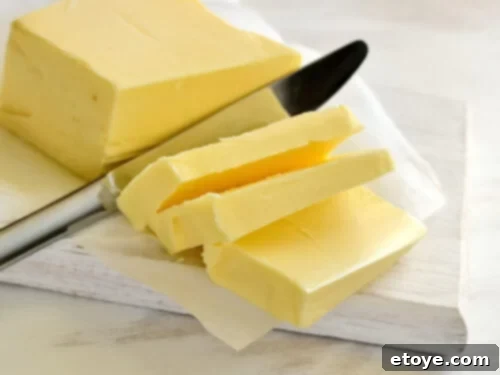
Understanding Butter: Composition, Types, and Storage Influences
Before we navigate the popular fridge versus countertop debate for butter storage, let’s take a moment to truly appreciate our creamy, versatile companion. A deeper understanding of what butter is, its various forms, and its inherent properties will provide clarity and help us make informed decisions about how to best preserve its quality and flavor.
What is Butter, Exactly?
- The Essence of Butter: At its most fundamental level, butter is an emulsion of water-in-fat, primarily derived from milk or cream. It’s typically produced by churning fresh or fermented cream, a process that separates the butterfat solids from the liquid buttermilk. This churning concentrates the butterfat, resulting in a rich, semi-solid product. Butter is usually composed of about 80-82% milk fat, 15-17% water, and 1-2% milk solids, with varying amounts of salt.
- A Culinary Legacy: The creation of butter is an ancient art, with evidence of butter-making dating back thousands of years. Early civilizations discovered that agitating cream could transform it into this nutritious and deliciously spreadable fat. From its humble beginnings, butter has evolved into a global culinary staple, revered for its ability to enhance flavors, add richness, and create incredible textures in a vast array of dishes, from simple toast to complex pastries.
Exploring the Diverse World of Butter Types
The butter aisle offers more choices than you might initially realize, and each type has characteristics that can influence its ideal storage method and shelf life:
- Salted vs. Unsalted Butter: This is arguably the most common distinction. Salted butter has salt added during its production, which not only enhances flavor but also acts as a natural preservative, inhibiting microbial growth. Unsalted butter, often marketed as “sweet cream butter,” contains no added salt, making it the preferred choice for baking where precise salt control is crucial, but also more susceptible to spoilage.
- Grass-Fed Butter: Derived from cows that graze predominantly on pasture grass, grass-fed butter often boasts a deeper yellow hue due to higher beta-carotene content. Many connoisseurs claim it possesses a richer, more complex flavor profile and a superior texture. Nutritionally, it may contain higher levels of omega-3 fatty acids and conjugated linoleic acid (CLA). Its unique composition often calls for careful storage to preserve its distinct qualities.
- Cultured Butter: Made from cream that has been fermented with bacterial cultures before churning, cultured butter offers a tangier, more complex flavor profile similar to crème fraîche. This fermentation process contributes to its unique aroma and slightly higher acidity, which can also influence its stability compared to regular sweet cream butter.
- European vs. American Butter: While not strictly a ‘type’ in the same vein as salted or unsalted, European-style butter typically has a higher butterfat content (around 82-86%) and is often cultured. This higher fat content contributes to its richer flavor, creamier texture, and superior performance in baking, particularly for pastries. American butter usually has a minimum of 80% butterfat.
Key Properties Influencing Butter Storage
Understanding these intrinsic properties of butter is essential for making smart storage choices:
- High Fat Content: Butter’s high fat content is its defining characteristic. This fat contributes to its delicious flavor and smooth texture. At warmer room temperatures, the fat softens, making the butter spreadable. In the refrigerator, the fat solidifies, resulting in a firm block. This high fat content also helps to repel water, slowing down bacterial growth compared to other dairy products, but it doesn’t stop it entirely.
- Moisture Level: While butter is mostly fat, it does contain a small percentage of water. This water, when exposed to air and warmer temperatures, can contribute to microbial spoilage and rancidity over time. The interaction between fat and water is delicate and plays a significant role in butter’s shelf stability.
- The Preservative Power of Salt: As mentioned, salt acts as a natural preservative. In salted butter, the presence of sodium chloride effectively inhibits the growth of many bacteria and molds, significantly extending its shelf life, especially when stored outside the refrigerator. This is why salted butter is generally more forgiving at room temperature than its unsalted counterpart.
Armed with this foundational knowledge of butter’s composition, types, and properties, we are now perfectly positioned to delve into the specific arguments for and against refrigerating this beloved culinary delight.
Reasons to Refrigerate Butter: Prioritizing Freshness and Food Safety
For many, the refrigerator is the undisputed home for butter, and there are compelling reasons behind this widespread practice. Beyond simply adhering to tradition, refrigerating butter offers significant benefits related to shelf life, quality, and food safety, especially in certain conditions.
Extending Shelf Life and Preventing Rancidity
- Slowing Down Spoilage: The primary advantage of refrigerating butter is its ability to drastically extend its shelf life. Butter is susceptible to two main forms of spoilage: oxidative rancidity (when fats react with oxygen, leading to off-flavors and odors) and hydrolytic rancidity (when enzymes break down fats, releasing unpleasant fatty acids). Cold temperatures significantly slow down these chemical reactions and enzymatic activities, keeping your butter fresher for much longer.
- Quantifiable Freshness: While room temperature butter might last a few days to a week, butter stored correctly in the refrigerator can remain fresh and palatable for several weeks, often up to two to three months, and sometimes even longer if unopened and well-sealed. This extended longevity is particularly valuable for households that don’t use butter rapidly.
Maintaining Optimal Texture and Flavor Profile
- Consistent Quality for Culinary Applications: Refrigeration ensures butter maintains a firm, consistent texture. This is absolutely crucial for many baking applications, such as making flaky pie crusts, delicate pastries, or achieving the perfect “creaming” method for cakes and cookies. Cold, firm butter is essential for preventing doughs from becoming too soft or greasy.
- Preserving Delicate Flavors: Butter, especially high-quality unsalted or cultured varieties, possesses a nuanced flavor profile. Warm temperatures can accelerate the degradation of these delicate flavor compounds, leading to a loss of complexity or the development of stale notes. Refrigeration helps to lock in these desirable flavors, ensuring your butter tastes as intended. Moreover, butter can easily absorb strong odors from other foods in the refrigerator; proper packaging is key to preventing this.
Addressing Food Safety Concerns
- Inhibiting Bacterial Growth: While butter’s high fat and low water content make it less prone to rapid bacterial growth compared to other dairy products, it is not entirely immune. Pathogenic bacteria can still multiply, especially if the butter is left out for extended periods in warm environments. Refrigeration keeps butter below the “danger zone” (40°F to 140°F / 4°C to 60°C) where bacteria thrive, thus minimizing the risk of foodborne illnesses.
- Environmental Considerations: In warmer climates, during hot summer months, or in kitchens that frequently reach high ambient temperatures, the risk of butter going rancid or developing harmful bacteria increases significantly. In these conditions, refrigeration is not just a preference but a strong recommendation to ensure both safety and quality.
Tailoring Storage for Different Butter Types
- Salted Butter: While the salt in salted butter does offer a degree of protection against spoilage, extending its room temperature viability, refrigeration remains the best way to maximize its shelf life and prevent it from becoming overly soft or oily.
- Unsalted Butter: Lacking the protective barrier of salt, unsalted butter is considerably more vulnerable to rancidity and microbial growth. For this reason, refrigeration is critically important for unsalted butter to maintain its freshness, flavor, and safety. It should always be stored in the coldest part of your refrigerator.
- Specialty Butters: Varieties like grass-fed or cultured butter, with their potentially different fat and moisture compositions, often possess more delicate flavors and textures. To preserve their unique characteristics and ensure their safety, it is always best to follow the manufacturer’s specific storage recommendations, which almost invariably involve refrigeration.
In summary, refrigerating butter is a pragmatic approach for those who prioritize maximum shelf life, consistent quality for diverse culinary uses, and the highest standards of food safety. It ensures you get the most out of your butter, both in terms of longevity and performance.
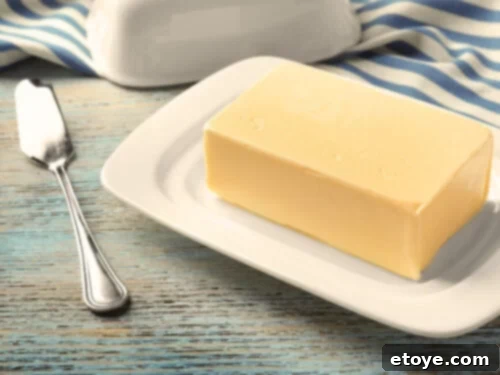
The Case for Room Temperature Butter: Embracing Spreadability and Enhanced Flavor
While the refrigerator offers undeniable benefits for butter preservation, there’s a strong and passionately defended case for keeping butter at room temperature. This approach prioritizes immediate usability, superior texture, and often, a more pronounced flavor experience. Let’s explore why many home cooks and chefs prefer their butter just a bit more “relaxed.”
The Irresistible Joy of Spreadability
- Effortless Spreading: This is arguably the most compelling reason for leaving butter out. There’s an unparalleled satisfaction in effortlessly gliding butter across warm toast, a soft bagel, or a slice of freshly baked bread without tearing it to shreds. Hard, cold butter can be frustrating to work with, often resulting in uneven application or damaged food. Room temperature butter, with its creamy, yielding consistency, makes for a much more enjoyable breakfast or snack.
- Immediate Culinary Convenience: For impromptu cooking, quick sautés, or spontaneous baking adjustments, having butter immediately ready to use is a significant advantage. It eliminates the waiting time required for cold butter to soften, streamlining kitchen tasks and making everyday cooking more efficient.
Unlocking Enhanced Flavor and Aroma
- Fuller Flavor Profile: Many butter enthusiasts, including professional chefs, argue that butter, like fine cheese or wine, expresses its full flavor and aromatic complexity best when allowed to come to room temperature. The subtle notes of sweetness, nuttiness, or tang (in cultured butter) become more pronounced and enjoyable when the butter is slightly softened, allowing volatile compounds to release.
- A Sensory Difference: Conduct a simple taste test: try a small amount of cold butter and then an equal amount of the same butter at room temperature. You’ll likely notice that the room temperature butter offers a richer, more nuanced taste experience, often described as creamier and more flavorful.
Safe Practices for Storing Butter at Room Temperature
Enjoying the benefits of spreadable butter doesn’t mean compromising on safety. By following a few key guidelines, you can safely store butter outside the refrigerator:
- Manage Quantity Wisely: The United States Department of Agriculture (USDA) generally recommends leaving out only the amount of butter you anticipate using within one to two days. This practice ensures that the butter is consumed before it has a chance to turn rancid or develop significant bacterial growth. Small amounts are key to maintaining freshness and safety.
- Utilize a Protective Butter Dish: A high-quality butter dish with a tight-fitting lid is essential for room temperature storage. This dish serves multiple purposes: it protects the butter from dust, airborne contaminants, and insects, while also shielding it from direct light and air, which can accelerate rancidity.
- Consider a Butter Bell or Crock: For those seeking an elegant and effective solution, a butter bell (also known as a butter crock or French butter keeper) is an excellent choice. This clever device uses a small amount of water to create an airtight seal around the butter, keeping it fresh and spreadable for several weeks without refrigeration. The bell keeps oxygen away from the butter, which is the primary cause of oxidative rancidity. Remember to change the water every few days for optimal freshness. Note that butter bells are specifically designed for real butter, not margarine.
- Strategic Placement is Crucial: Always store your room temperature butter in a cool, dark location away from direct sunlight, heat sources (like ovens, stoves, or dishwashers), and warm windows. A kitchen cupboard, a pantry, or a shaded, cooler part of your countertop are ideal spots. Ambient room temperature below 70°F (21°C) is best.
- Margarine Storage: While margarine shares some similarities with butter, its composition differs, often containing more water and vegetable oils. While some margarines can be stored at room temperature under similar conditions, it’s paramount to always check the product label for specific storage recommendations, as formulations vary widely and some may require refrigeration.
Balancing Taste and Safety for Optimal Butter Enjoyment
The smartest approach for many households is a hybrid strategy: keep a small, manageable amount of butter out on the counter for daily use, and store the larger bulk of your supply safely in the refrigerator or even the freezer. This way, you always have fresh, perfectly spreadable butter readily available when you need it, while the majority of your butter stock remains safe, fresh, and preserved for extended periods.
In conclusion, choosing to store butter at room temperature is primarily about convenience and an enhanced sensory experience. By diligently following safe handling practices and being mindful of environmental factors, you can consistently enjoy perfectly spreadable, full-flavored butter without compromising on safety or quality.
Other Butter-Related Questions: A Comprehensive Guide
Our journey through butter storage has covered essential ground, but there are always more layers to churn through! Here, we address some common and practical questions related to butter, offering factual answers and tips to ensure your butter experience is always top-notch.
What Are Some Effective Ways to Store Butter?
- Standard Refrigerator Storage: For long-term freshness and optimal preservation, keep butter in its original packaging, or transfer it to an airtight, resealable container. This protects it from absorbing strong odors and flavors from other foods in the fridge, and shields it from light, which can accelerate rancidity. Always place it in the coldest part of your refrigerator.
- The Butter Bell or Crock Method: As discussed, a butter bell is an excellent choice for keeping butter fresh and spreadable at room temperature. The principle is simple: butter is packed into a bell-shaped cup, which is then inverted into a base containing a small amount of water. This creates an airtight seal that prevents oxygen from reaching the butter, keeping it fresh for up to several weeks. Remember to change the water every 2-3 days to maintain hygiene and effectiveness. This method is exclusively recommended for real dairy butter.
- Classic Butter Dish: A traditional butter dish with a lid is ideal for short-term room temperature storage (1-2 days). It protects the butter from dust and air exposure. Ensure it’s placed in a cool, dark spot away from direct heat or sunlight.
- Freezing Butter for Extended Life: For truly long-term storage, freezing is an excellent option. Butter can maintain its quality in the freezer for up to a year or even longer if properly wrapped.
How Can I Identify if Butter Has Gone Bad?
Recognizing spoiled butter is crucial for both safety and culinary results:
- Visual Cues: The most obvious sign is visible mold, which may appear as green, black, or even fuzzy spots. Discoloration, such as a darker yellow or even greenish tint that wasn’t there originally, can also indicate spoilage.
- Olfactory Test (Smell): Rancid butter will develop a distinctly sour, cheesy, or metallic smell. It will lose its fresh, creamy aroma. Trust your nose – if it smells off, it’s best to discard it.
- Taste Test (Caution Advised): If you’re unsure after visual and smell tests, a very tiny taste can confirm spoilage. Rancid butter will have a sharp, unpleasant, soapy, or bitter flavor. It’s not necessarily harmful in small amounts but will ruin your dish.
- Texture Anomalies: While some slight oil separation is normal, especially in very soft butter, extreme separation, a gritty texture, or an unusually hard consistency after being at room temperature for a while can be signs that the butter is past its prime.
What is the Most Efficient Way to Soften Butter Quickly?
When a recipe calls for softened butter and yours is rock-hard, these tricks can save the day:
- Cut Into Smaller Pieces: The simplest method is to cut the cold stick of butter into smaller cubes or thin slices. This increases the surface area exposed to room air, allowing it to soften much faster (usually within 15-30 minutes).
- The Warm Glass Method: Fill a glass with very hot water and let it sit for a minute. Pour out the water and dry the glass thoroughly. Invert the warm glass over the stick of butter on a plate. The residual heat will gently soften the butter without melting it, usually within 5-10 minutes.
- Grate It: For very quick softening, grate the cold butter using a box grater. The small shreds will soften almost instantly at room temperature.
- Pound It: Place the butter between two sheets of parchment paper or plastic wrap and gently pound it with a rolling pin. This flattens and warms it, making it soft quickly.
- Microwave (Use Caution): While possible, microwaving butter to soften it requires extreme caution. Use very short bursts (5-10 seconds) on a low power setting, checking after each burst. Over-microwaving will melt it, which is generally not ideal for recipes requiring “softened” butter.
Freezing Butter: Is It a Viable Option for Long-Term Storage?
- Yes, You Can Freeze Butter! Freezing is an excellent method for significantly extending butter’s shelf life. Properly frozen butter can last for six to nine months, and even up to a year, without a noticeable decline in quality. To freeze, keep butter in its original wrapper and then place it inside a heavy-duty freezer bag or an airtight container. This double-layer protection prevents freezer burn and protects it from absorbing other freezer odors.
- Thawing Frozen Butter: To use frozen butter, the best method is to transfer it from the freezer to the refrigerator and allow it to thaw slowly overnight or for several hours. If you need it sooner, you can leave it out at room temperature for a few hours, or use the quick-softening methods mentioned above once it’s partially thawed.
What Are Some Reliable Butter Substitutes for Cooking and Baking?
When butter isn’t an option or you’re looking for alternatives, several substitutes can work, though they may alter flavor and texture:
- For Cooking and Sautéing:
- Olive Oil: A healthy and flavorful alternative for many savory dishes.
- Coconut Oil: Can be used for both sweet and savory applications, imparting a subtle coconut flavor.
- Vegetable Oils: Canola, sunflower, or grapeseed oils are neutral-flavored options for general cooking.
- Ghee (Clarified Butter): While technically butter-derived, ghee is butter with the milk solids and water removed, giving it a higher smoke point and a rich, nutty flavor. It’s a great option for high-heat cooking.
- For Baking:
- Margarine: Often used as a direct 1:1 substitute in recipes, but note that some formulations have a higher water content, which can affect texture.
- Shortening: Excellent for creating flaky textures in pie crusts and some cookies, but lacks butter’s flavor.
- Applesauce (Unsweetened): A popular fat substitute in muffins, cakes, and quick breads, adding moisture and slight sweetness. Use a 1:1 ratio.
- Mashed Bananas: Similar to applesauce, they add moisture and a subtle banana flavor, often used in quick breads.
- Yogurt or Sour Cream: Can add moisture and tanginess to baked goods, often replacing some of the fat.
- Avocado Puree: Offers healthy fats and a creamy texture, suitable for some baked goods.
With these extensive buttery insights, you are now thoroughly equipped to handle all aspects of butter, from optimal storage and recognizing spoilage to quick softening techniques and reliable substitutes. Enjoy your butter, however you choose to keep it!
Spreading the Final Word on Optimal Butter Storage
After thoroughly exploring the nuances of butter storage, it’s clear that the ultimate decision often boils down to a blend of personal preference, culinary needs, and a careful consideration of food safety. Whether you cherish the rock-hard solidity of butter fresh from the fridge, perfect for baking and longevity, or you prefer the yielding softness of butter kept at room temperature, ideal for spreading and enhanced flavor, the choice is ultimately yours to make.
However, if you do opt for the delightful convenience of keeping your butter out on the countertop, let’s always remember the golden rule, reiterated by the USDA: only leave out the amount of butter you are confident you will use within a period of one to two days. This prudent advice is particularly crucial for unsalted butter, which lacks the natural protective qualities of salt, making it more susceptible to rancidity and microbial growth in warmer conditions.
Speaking of salted butter, it generally presents itself as your safest and most forgiving bet for room temperature storage. Its added salt acts as a natural antimicrobial agent and preservative, offering a slightly extended window of freshness if left uncovered for a few days, compared to its unsalted counterpart.
Now, we’d absolutely love to hear from you, our fellow butter enthusiasts! How do you prefer to store your butter in your own kitchen? Are you a staunch “fridge fanatic” who values longevity and safety above all, or a confident “countertop connoisseur” who prioritizes immediate spreadability and flavor? Perhaps you’ve discovered a unique buttery wisdom, a clever storage hack, or even a killer recipe that transforms ordinary dishes into extraordinary culinary experiences using perfectly stored butter. Please, share your thoughts, your tried-and-true practices, and your favorite buttery recipes in the comments section below. Let’s keep this conversation as smooth, rich, and utterly spreadable as our most beloved butter!
Here are Some of Our Favorite Buttery Recipes to Inspire You:
- Easy Flavored Butter Recipes
- Steak with Kimchi Butter
- Miso Butter Shrimp Recipe
- Grilled Corn with Lime Cilantro Wasabi Butter