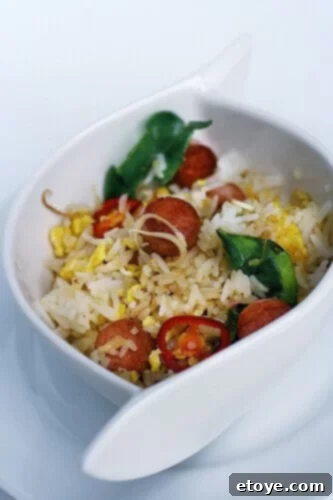

Unlocking Flavor: Four Creative Fried Rice Recipes with Canned Meats
The journey into unique culinary adventures often begins unexpectedly. For me, it was a simple image shared by my editor, Jeff Houck, featuring a pan-fried slice of Scrapple. This seemingly humble image sparked an immediate and intense curiosity. “Scrapple? What exactly is Scrapple?” I wondered aloud, and within a mere thirty minutes, I found myself heading to the supermarket, determined to uncover this intriguing ingredient, a distant cousin to the more widely known Spam.
It might seem unconventional, but I admit to a peculiar fascination with processed meats – those intriguing ingredients that come conveniently packaged, ready to be transformed. The real challenge, however, was to elevate these often-underestimated items. Could I showcase these unique meats in a way that was not only appetizing but also visually stunning, akin to a feature in a high-end food magazine? The goal was to redefine perceptions, proving that even the most unassuming ingredients can be transformed into something truly remarkable and crave-worthy.
My initial quest for Scrapple quickly escalated into a full-blown culinary exploration. I left the supermarket with a basket brimming with various processed meat products, alongside a vibrant assortment of fresh ingredients. This eclectic haul laid the foundation for an exciting series of experiments, culminating in four distinct and flavorful fried rice recipes. And that, truly, is how my adventure into the versatile world of “meat” fried rice began.
Scrapple Fried Rice with Fresh Chilies and Garlic: A Bold Transformation

Allow me to introduce you to Scrapple, an ingredient that, when simply fried on its own, presents a flavor profile that lives up to its rather humble name. For those curious about its origins and composition, Wikipedia provides a detailed description:
Scrapple is traditionally crafted from hog offal, including parts like the head, heart, liver, and other scraps. These are boiled, often with bones attached, to create a rich broth. After cooking, the bones and excess fat are removed, the meat is reserved, and cornmeal is then cooked in the flavorful broth to form a thick mush. The finely minced meat is returned to the mixture, and various seasonings, typically sage, thyme, savory, and other complementary herbs, are added. This mush is then carefully cast into loaves and allowed to cool thoroughly until it achieves a firm, gelatinous texture.
The addition of sage, thyme, and savory is undeniably crucial. These aromatic herbs play a vital role in transforming the raw, unadorned flavors of the ingredients into something more palatable and intriguing, proving the power of thoughtful seasoning.
My primary objective when developing this Scrapple fried rice recipe was a challenging one: how to transform an ingredient that might initially seem unappetizing into a truly flavorful and enjoyable dish. The goal was to create a fried rice so delicious that even the most discerning eater would savor it, perhaps without ever knowing the main ingredient’s unique background. The key was to mask the initial “scrappy” notes with robust, complementary flavors.
To achieve this, I turned to three of the most potent and beloved ingredients in Asian cuisine: fresh chilies, fish sauce, and garlic. These aromatics are known for their ability to add depth, heat, and umami to any dish. Some might hesitate at the mention of fish sauce, perceiving it as an acquired taste due to its pungent, fermented aroma. However, it is an indispensable staple in Southeast Asian cooking, revered for its ability to enhance flavors. Interestingly, many are unaware that even classic condiments like Worcestershire sauce contain a form of fish extract, demonstrating its widespread culinary influence. If only Scrapple had been given a more appealing name, its marketing journey might have been entirely different!
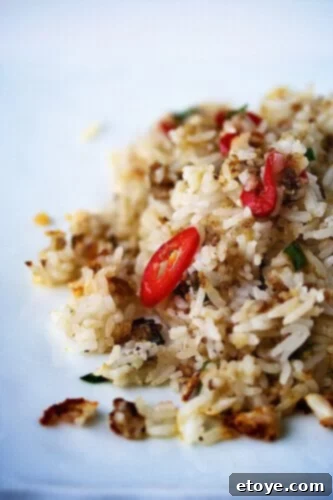
Because Scrapple contains cornmeal, it naturally crumbles as it cooks, giving it a texture similar to ground meat. This characteristic makes it an excellent candidate for fried rice. My method involved cutting the Scrapple into small, uniform cubes and then stir-frying it until it began to brown and break apart. Using a spatula, I further minced it into fine pieces, ensuring an even distribution of flavor and texture throughout the rice.
Scrapple Fried Rice with Fresh Chilies and Garlic
serves 2
Ingredients:
1 1/2 tablespoons cooking oil, divided
1 teaspoon finely minced garlic
1 stalk scallion, minced
1 thinly sliced fresh chili (such as Thai bird’s eye or jalapeño), adjust to taste
1/2 cup chopped scrapple
2 cups cooked, leftover rice (ideally day-old, with grains separated using a fork)
3/4 teaspoon fish sauce (substitute with 1 to 2 teaspoons soy sauce for a milder flavor)
Freshly ground black pepper, to taste
Instructions:
1. In a wok or a large sauté pan, heat 1 tablespoon of the cooking oil over high heat until it shimmers. Add the chopped scrapple and stir-fry until it’s nicely browned and crumbled, about 1 minute. Push the cooked scrapple to the outer edges of the wok, creating a clear space in the center.
2. Reduce the heat to medium. Add the remaining 1/2 tablespoon of cooking oil to the center, then immediately add the minced garlic, scallion, and fresh chilies. Stir-fry for about 15 seconds, just until the aromatics become fragrant.
3. Increase the heat back to high. Add the cooked rice to the wok. Using your spatula, thoroughly mix all the ingredients, spreading the rice and other components across as much of the wok’s surface as possible to ensure even heating and light caramelization.
4. Allow the rice to cook undisturbed for about 30 seconds. This crucial step allows the rice grains to heat up and re-steam, enhancing their texture and preventing them from becoming soggy. After 30 seconds, use your spatula to stir and flip the mixture.
5. Slowly pour the fish sauce (or soy sauce alternative) around the outer edges of the wok. The high heat of the wok will help to gently evaporate and distribute the sauce as it flows down the sides, ensuring every grain is seasoned without clumping.
6. Stir and flip the rice thoroughly again, ensuring the fish sauce is evenly incorporated. Season generously with freshly ground black pepper. Continue to cook, stirring occasionally, until all the rice grains are hot and slightly toasted, indicating perfect fried rice texture.
Spam Fried Rice with Pineapple: A Tropical Twist on a Classic

Spam holds a special place in my culinary heart, a love I’ve celebrated previously in my “Ode to Spam in the Style of Seuss.” This time, I aimed to create a simpler, yet refreshingly delightful version of Spam Fried Rice. The addition of pineapple, whether canned or fresh, brings a vibrant, tropical sweetness that beautifully complements the savory richness of Spam. While fresh pineapple always offers a bright flavor, opting for canned aligns perfectly with our theme of transforming readily available, processed ingredients into gourmet-quality dishes.
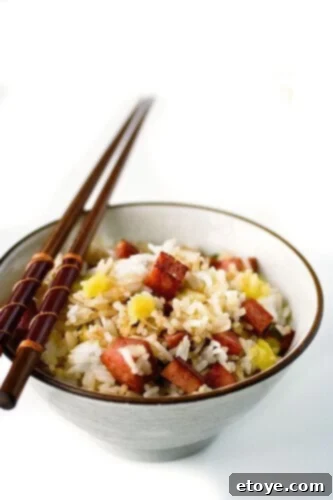
The combination of savory Spam and sweet, tangy pineapple is a classic for a reason, especially in Hawaiian and other Pacific Rim cuisines. This recipe highlights how contrasting flavors can create a harmonious and incredibly satisfying meal. The salty notes of the Spam are perfectly balanced by the fruit’s acidity, resulting in a fried rice that is both comforting and exhilarating. The simplicity of the ingredients belies the complexity of the flavors, making this dish a true crowd-pleaser and a testament to the versatility of Spam.
Spam Fried Rice with Pineapple
serves 2
Ingredients:
2 teaspoons cooking oil
1/2 cup diced Spam
1 teaspoon grated fresh ginger
1 stalk scallion, minced
1/4 cup crushed or 1/8 inch diced pineapple (canned or fresh)
2 cups cooked, leftover rice (grains separated)
1 to 2 teaspoons soy sauce, to taste
1/2 teaspoon sesame oil
Instructions:
1. Heat the cooking oil in a wok or large sauté pan over medium-high heat. Once the oil is hot but not smoking, add the diced Spam. Fry the Spam until it is browned and slightly crispy on all sides, usually about 1 minute. Push the cooked Spam to the outer edges of the wok, clearing a space in the center. There should still be a small pool of oil in the middle.
2. Reduce the heat to low. Add the grated ginger, minced scallions, and pineapple to the cleared center of the wok. Stir-fry these aromatics for about 15 seconds, just until their fragrance develops.
3. Turn the heat up to high and immediately add the cooked rice. Using your spatula, thoroughly mix all the ingredients, ensuring the rice and other components are spread across as much of the wok’s surface as possible for even heating and light caramelization.
4. Allow the rice to cook undisturbed for approximately 30 seconds. This pause is essential for the rice grains to properly heat up and re-steam, resulting in a fluffy texture. After 30 seconds, use your spatula to stir and flip the mixture.
5. Slowly pour the soy sauce around the outer edges of the wok. The heat of the wok will help to gently evaporate and evenly distribute the sauce. Stir and flip the rice well again, ensuring all ingredients are thoroughly mixed and coated.
6. Finish by drizzling the sesame oil over the fried rice and stirring well to incorporate. Continue to cook, stirring occasionally, until all the rice grains are hot and perfectly cooked, ready to be served.
Pork Roll Fried Rice with Shiitake Mushrooms and Red Bell Pepper: An Elevated Experience

My discovery of Pork Roll was a delightful surprise during my initial quest for Scrapple. The helpful meat manager at the supermarket not only guided me to the frozen Scrapple but also introduced me to Pork Roll in the refrigerated bacon and sausage section. This East Coast specialty, typically sold in packages of four slices, is the star of “The Jersey Breakfast” – a beloved fried pork roll, egg, and cheese sandwich. If Pork Roll isn’t available in your local market, a suitable substitute would be canned ham, though you’d only need a small portion for this recipe. Its unique flavor profile truly shines in a dish like fried rice.
Pork Roll, essentially a coarsely ground pork shoulder, offers a richer, more refined flavor and texture compared to Spam. To match its elevated profile, I chose to incorporate gourmet ingredients like fresh shiitake mushrooms and vibrant red bell peppers. Instead of traditional soy sauce, I opted for Maggi sauce, a popular and versatile condiment with Swiss origins that has garnered a significant following across Asia and beyond. Its distinctive umami depth adds an exceptional layer of flavor to this fried rice, making it a favorite among many, including myself! Its presence in most major supermarkets and Asian markets makes it an accessible secret ingredient.
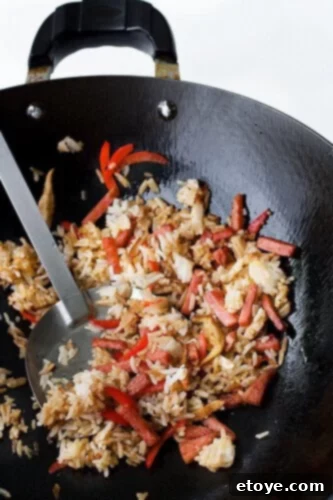
The earthy notes of shiitake mushrooms perfectly complement the savory pork, while the crisp-sweetness of red bell peppers adds a burst of color and freshness. This combination transforms the Pork Roll from a simple breakfast meat into a sophisticated component of a delicious fried rice. The Maggi sauce ties all these elements together, providing a profound depth of flavor that lingers on the palate. This recipe is a testament to how humble ingredients, when paired thoughtfully, can create a truly memorable meal, offering a compelling alternative to more conventional fried rice preparations.
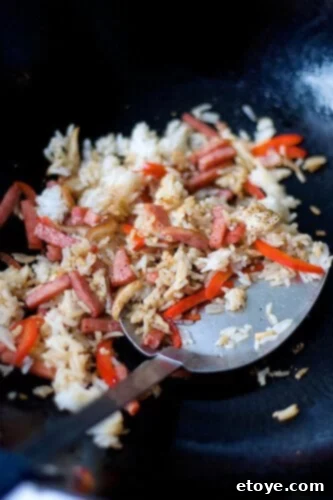
Pork Roll Fried Rice with Shiitake and Bell Peppers
serves 2
Ingredients:
2 teaspoons cooking oil
1/2 cup sliced pork roll, cut into small pieces
4 fresh shiitake mushrooms, thinly sliced
1/2 red bell pepper, thinly sliced
2 cups cooked, leftover rice (grains separated)
1 teaspoon Chinese rice wine
1 teaspoon Maggi sauce (substitute with 1 to 2 teaspoons soy sauce)
Instructions:
1. In a wok or a large sauté pan, heat the cooking oil over medium-high heat. Once the oil is hot but not smoking, add the sliced pork roll. Fry until it’s nicely browned and slightly crispy, about 1 minute. Push the cooked pork roll to the outer edges of the wok, creating a clear space in the center. A small amount of oil should remain pooled in the middle.
2. Reduce the heat to low. Add the thinly sliced shiitake mushrooms and red bell pepper to the cleared center. Stir-fry for about 30 seconds, just until the vegetables begin to soften and become fragrant.
3. Increase the heat back to high and immediately add the cooked rice. Using your spatula, thoroughly mix all the ingredients, ensuring the rice and other components are spread across as much of the wok’s surface as possible for even heating and light caramelization.
4. Allow the rice to cook undisturbed for approximately 30 seconds. This step is crucial for the rice grains to heat up and re-steam, resulting in a fluffy texture. After 30 seconds, use your spatula to stir and flip the mixture.
5. Slowly pour the Maggi sauce and Chinese rice wine around the outer edges of the wok. The heat of the wok will help to gently evaporate and evenly distribute the sauces. Immediately stir and flip the rice well again, ensuring all ingredients are thoroughly mixed and coated.
6. Continue to cook, stirring occasionally, until all the rice grains are hot and perfectly cooked, ready to be served.
Vienna Sausage Fried Rice with Kaffir Lime and Lemongrass: A Southeast Asian Twist

I confess to a nostalgic fondness for Vienna Sausages, often enjoying them straight from the can at room temperature. In Hong Kong, these miniature sausages were a staple for breakfast, typically fried until golden. For this recipe, I wanted to infuse them with vibrant Southeast Asian flavors, utilizing the fragrant notes of lemongrass and kaffir lime leaves. Both ingredients, easily sourced from Asian markets or even your own garden, bring an unparalleled aromatic depth to the dish. If fresh options aren’t available, frozen lemongrass and kaffir lime leaves are excellent alternatives.
Preparing lemongrass for this recipe is key to maximizing its flavor while ensuring a pleasant texture. Start by measuring about 4-6 inches from the bottom of the stalk and trim off the fibrous, long green leaves. Focus on the bottom, white bulbous part. Peel away the tough outermost layers to reveal the tender inner stalk. Using a very sharp chef’s knife, slice the lemongrass into paper-thin rings. If thin slicing proves challenging, a microplane grater can be used to finely grate the bottom 4 inches of the bulb. Lemongrass is quite fibrous, so cutting it into large chunks can result in an unpleasantly chewy texture.
For kaffir lime leaves, take a single leaf and tear it several times, stopping at the central spine to keep the leaf intact. While the leaf itself is not typically eaten, tearing it helps to release its wonderfully fragrant oils, perfuming the entire dish with its distinctive citrusy aroma.
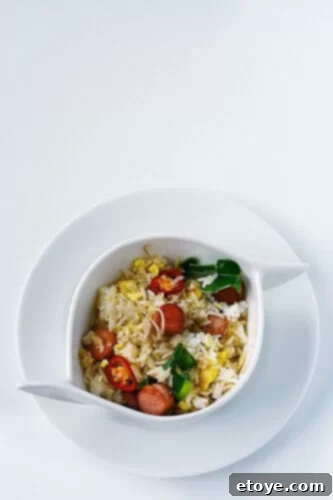
This fried rice truly transforms the humble Vienna Sausage into a dish that is both exotic and comforting. The interplay of the savory sausage with the bright, citrusy notes of kaffir lime and the fresh, lemon-like aroma of lemongrass creates a unique and irresistible flavor profile. The addition of scrambled egg provides a creamy texture and richness, while chilies add a gentle kick, making each spoonful a delightful experience. This recipe is a perfect example of how simple ingredients, when paired with thoughtful Asian aromatics, can create an unexpectedly sophisticated and delicious meal.
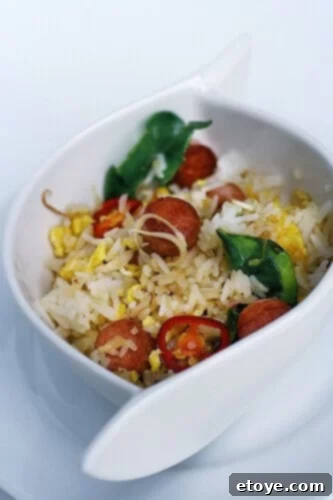
Vienna Sausage Fried Rice with Kaffir and Lemongrass
Ingredients:
3 teaspoons cooking oil, divided
1/2 cup Vienna sausage, each link cut into 4 pieces
1 tablespoon fine rings of lemongrass (see note on preparation above)
3 kaffir lime leaves, torn in several places to the spine
1 tablespoon sliced chilies (adjust to desired heat)
2 eggs, beaten
2 cups cooked, leftover rice (grains separated)
1 1/2 teaspoons fish sauce (substitute with 1-2 teaspoons soy sauce for a milder flavor)
Instructions:
1. In a wok or a large sauté pan, heat 2 teaspoons of cooking oil over medium-high heat until hot but not smoking. Add the cut Vienna sausage pieces and fry until they are lightly browned, about 1 minute. Push the cooked sausage to the outer edges of the wok, creating a clear space in the center. There should still be a small pool of oil remaining.
2. Reduce the heat to low. Add the finely chopped lemongrass, torn kaffir lime leaves, and sliced chilies to the cleared center. Stir-fry for about 30 seconds, just until the aromatics become fragrant, releasing their essential oils.
3. Push the aromatics up to the sides of the wok, clearing the center space once more. Increase the heat to high. Add the remaining 1 teaspoon of cooking oil to the center and let it heat up until hot but not smoking. Pour in the beaten eggs and gently swirl to break them up. Cook the eggs until they are firm and lightly scrambled, approximately 1 minute.
4. Add the cooked rice to the wok. Using your spatula, thoroughly mix all the ingredients – the sausage, aromatics, and egg – spreading the mixture across as much of the wok’s cooking surface as possible to ensure even heating.
5. Allow the rice to cook undisturbed for about 30 seconds. This critical step allows the rice grains to heat up and re-steam, contributing to a fluffy texture. After 30 seconds, use your spatula to stir and flip the mixture.
6. Slowly pour the fish sauce (or soy sauce alternative) around the outer edges of the wok. The high heat will help to gently evaporate and evenly distribute the sauce throughout the dish. Immediately stir and flip the rice well again, ensuring all ingredients are thoroughly mixed and coated.
7. Continue to cook, stirring occasionally, until all the rice grains are hot and perfectly cooked, signifying a delicious finish.
This culinary journey demonstrates that exceptional meals don’t always require exotic or expensive ingredients. By thoughtfully combining everyday processed meats with fresh aromatics and robust flavors, we can transform simple components into extraordinary dishes. Each of these four fried rice recipes offers a unique taste experience, inviting you to explore new dimensions of flavor and creativity in your own kitchen.
We hope you enjoyed this exploration of unique fried rice recipes. Which one will you try first? Share your culinary adventures in the comments below, or better yet, share this post with fellow food enthusiasts who appreciate creative cooking!