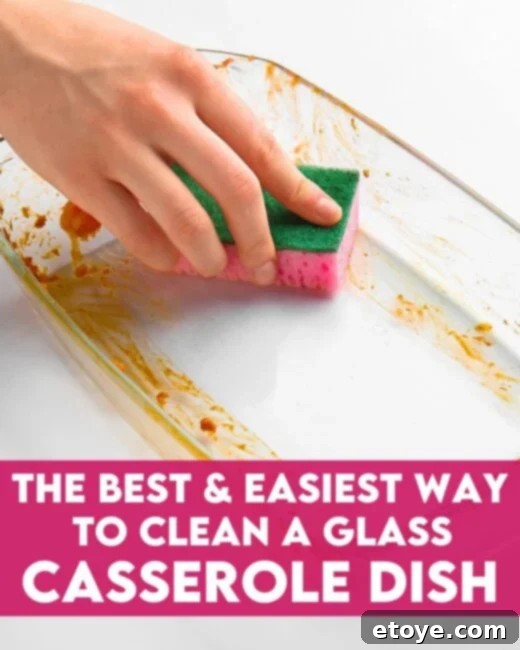
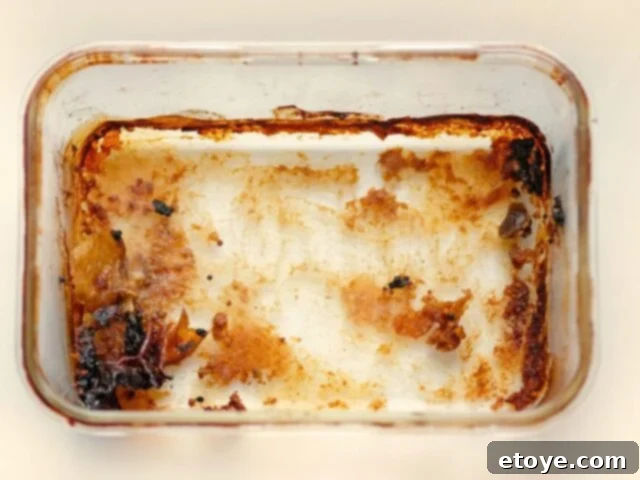
You’ve just pulled a magnificent casserole from the oven, a culinary masterpiece that delighted everyone at the table. But now, as the delicious aroma fades, you’re faced with the inevitable aftermath: a glass casserole dish adorned with stubborn, baked-on food residues and grease that seem to have permanently fused to the surface. It’s a common kitchen dilemma, and the thought of scrubbing can be daunting. However, restoring your glass bakeware to its pristine condition doesn’t have to be an arduous chore. With the right approach, a few simple tools, and a secret weapon from your pantry, you can banish those pesky stains and embrace sparkling clean dishes with minimal effort.
Effortlessly Clean Your Glass Casserole Dishes: A Complete Guide to Removing Baked-On Food
This comprehensive guide will walk you through a highly effective method for deep cleaning your glass casserole dishes, including Pyrex, Anchor Hocking, and other glass bakeware. We’ll focus on a powerful, natural solution that’s tough on grime but gentle on glass, ensuring longevity and sparkling results every time.
Your Ultimate Battle Plan for Sparkling Glass Bakeware
Before diving into the cleaning process, let’s gather our essential tools. Arming yourself with the right supplies will make all the difference, transforming a frustrating task into a satisfying one.
Essential Cleaning Arsenal:
- A Trusty Spatula: Opt for a plastic or silicone spatula. Metal can scratch your beautiful glass dish, compromising its integrity and appearance. This will be your primary tool for dislodging loose food.
- A Non-Abrasive Scrubby Sponge: Look for sponges designed for non-stick surfaces or delicate cookware. Avoid steel wool or overly abrasive scrubbers, which can damage glass.
- Baking Soda (Sodium Bicarbonate): This is our star ingredient, a versatile and powerful natural cleaner. Ensure you have a generous supply.
- Your Favorite Dish Soap: Any standard liquid dish soap will do. Its degreasing properties will complement the baking soda perfectly.
- Plenty of Hot Water: Heat is crucial for loosening stubborn residues, so make sure your tap water is as hot as possible or boil some water if needed.
Step-by-Step Guide to a Pristine Casserole Dish:
Step 1: Spatula to the Rescue – Initial Food Removal
Begin by using your plastic or silicone spatula to carefully scrape away any large pieces of leftover food from the casserole dish. Don’t be shy; get into the corners and along the sides. The goal here is to remove as much loose debris as possible before we tackle the truly stuck-on bits. If some food feels particularly resistant, a quick rinse under warm water can sometimes help to slightly soften and loosen it, making the scraping process easier. This initial step is vital as it prevents larger food particles from interfering with the chemical reaction we’ll initiate later.
Step 2: The Baking Soda Solution – The Power of the Pantry
Once you’ve removed the loose food, it’s time to bring in our secret weapon: baking soda. Generously sprinkle a thick layer of baking soda across the entire bottom surface of your glass dish, ensuring that all areas with baked-on food are thoroughly covered. Don’t skimp on this step – the more baking soda, the more powerful the cleaning action. Baking soda is renowned for its mild abrasive qualities and its ability to break down grease and caked-on food without scratching delicate surfaces like glass.
Step 3: Make It Soapy – Unleashing the Soaking Power
Now, add a few squirts of your preferred dish soap directly onto the baking soda layer. Next, carefully fill the dish with piping-hot water. Exercise caution to avoid scalding yourself! The hot water is crucial as it helps activate the baking soda and dish soap, creating a powerful cleaning solution. Allow the dish to sit and soak. For light stains and relatively fresh messes, 15-30 minutes might suffice. However, for genuinely stubborn, burnt-on food or dishes that have been left overnight, letting it soak for several hours or even overnight will yield significantly better results. The longer the soak, the less scrubbing you’ll need to do, as the solution works its magic to lift and dissolve the residues.
Step 4: Round Two with the Spatula – Gently Dislodging Residue
After the recommended soaking time, you’ll notice a remarkable transformation. The formerly stubborn, baked-on food bits will have significantly softened and loosened. Now, grab your spatula again. Gently but firmly scrape away the loosened food and grime. You’ll find it comes off much more easily than before. This second scraping phase is designed to remove the bulk of the residue that the soaking process has freed from the glass surface. Once you’ve scraped away as much as possible, empty the dirty water and give the dish a good rinse under warm running water.
Step 5: The Encore – Tackling Persistent Spots
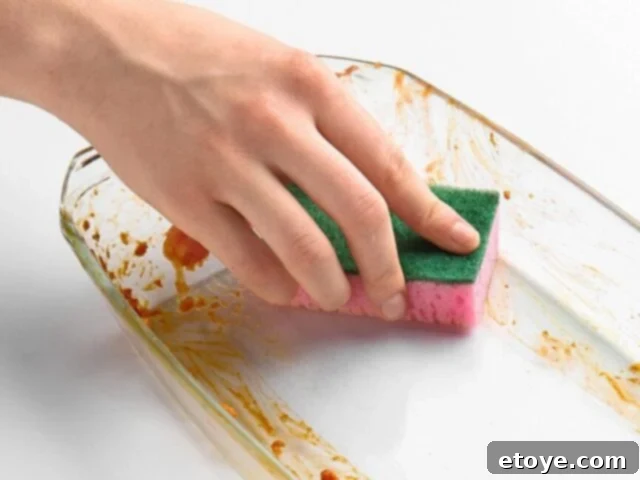
Even after the initial soak and scrape, some particularly resilient spots might remain. Don’t despair! For these tenacious stains, repeat the baking soda treatment. Sprinkle a targeted amount of baking soda directly onto the remaining stubborn areas, add a drop or two of dish soap, and a splash of hot water. Let it sit for another 15 minutes. Then, grab your non-abrasive scrubby sponge and gently scrub the spots in a circular motion. The mild abrasion of the baking soda combined with the friction from the sponge should effectively lift even the most persistent residue. Rinse thoroughly.
Step 6: Dry and Shine – The Final Touch
Once you are completely satisfied with the cleanliness of your glass casserole dish – admiring its crystal-clear, sparkling surface – give it one final, thorough rinse to remove any last traces of baking soda or soap. You can then let it air dry on a rack or carefully dry it with a clean, lint-free towel to prevent water spots. Voilà! Your casserole dish is now immaculate, ready to be stored away until your next culinary adventure, looking as good as new.
Why Baking Soda is Your Go-To for Cleaning Glassware
You might be wondering what makes plain old baking soda so incredibly effective at tackling the toughest baked-on messes on your delicate glassware. The answer lies in its unique chemical and physical properties, making it a true marvel of natural cleaning.
Gentle Abrasion: Powerful Yet Safe
Unlike harsh scouring powders or abrasive pads that can scratch and damage glass surfaces, baking soda offers a perfectly balanced level of abrasion. Its fine, crystalline structure is just coarse enough to physically dislodge and scrub away stubborn food particles and baked-on grease without leaving behind unsightly scratches or compromising the smooth finish of your glass bakeware. This makes it an ideal choice for maintaining the clarity and integrity of your favorite Pyrex dishes for years to come.
Chemical Reaction: The Grease-Busting Power
Baking soda, scientifically known as sodium bicarbonate, is an amphoteric compound, meaning it can react with both acids and bases. When mixed with water, it forms a mildly alkaline solution. This alkalinity is particularly effective at saponifying fats and oils – essentially turning greasy residues into a softer, more soluble substance that is easier to wipe or rinse away. This chemical reaction literally helps to dissolve the bonds holding burnt-on food to your glass, making removal significantly easier than with just water and soap alone. It’s a fundamental process that underpins its effectiveness against a wide range of kitchen messes.
Deodorizing Properties: Neutralizing Unpleasant Odors
Beyond its cleaning prowess, baking soda is a powerful natural deodorizer. Glassware can sometimes absorb persistent food odors, especially after cooking pungent dishes like garlic-heavy casseroles or strong cheeses. Baking soda works by neutralizing acidic and basic odor molecules, rather than just masking them. By incorporating baking soda into your cleaning routine, you ensure that your casserole dishes don’t just look clean but also smell fresh and neutral, preventing old food smells from lingering and potentially affecting the taste of future meals cooked in the same dish.
Safe and Non-Toxic: A Healthier Cleaning Choice
In an age where many households are becoming increasingly conscious of the chemicals used within their homes, baking soda stands out as a remarkably safe and non-toxic cleaning agent. It’s a food-grade product, meaning it’s completely safe for use on surfaces that come into contact with food. This peace of mind is invaluable, as you can clean your bakeware thoroughly without worrying about leaving behind harmful chemical residues that could leach into your next meal. Choosing baking soda is not just an effective cleaning method; it’s a responsible and healthier choice for your kitchen and your family.
Frequently Asked Questions About Cleaning Glass Bakeware
Got more questions about keeping your glass casserole dishes immaculate? Here are answers to some common queries to help you become a glass bakeware cleaning expert.
Can I use oven cleaner on my glass casserole dish?
While oven cleaner might seem like a quick fix for tough stains, it is generally too harsh and aggressive for glass cookware. The powerful chemicals in oven cleaners can potentially weaken the glass, lead to etching, discoloration, or even cause it to shatter, especially if the dish is older or has microscopic imperfections. It’s always safer and more effective in the long run to stick with gentler, yet equally powerful, cleansers like baking soda and hot soapy water to protect the integrity and lifespan of your beloved glass dishes.
What’s the absolute best way to remove really burnt-on food from glass pans?
For truly incinerated, baked-on food, your best bet is patience combined with the power of prolonged soaking. Start with a very long soak in piping hot, soapy water – ideally several hours, or even overnight. This gives the hot water and dish soap ample time to penetrate and soften the burnt crust. Follow this with a vigorous but gentle scrub using a non-abrasive sponge. If this doesn’t fully do the trick, escalate to the baking soda method: sprinkle a generous layer of baking soda, add dish soap and hot water, and let it sit for another extended period (again, several hours or overnight if possible) before scrubbing. The combination of heat, soap, and baking soda is incredibly effective.
I’ve heard of tricks like using an unused dryer sheet or a Mr. Clean Magic Eraser to get rid of stuck-on grease. Do these actually work?
Yes, some individuals report success with these alternative methods, but their effectiveness can vary. Dryer sheets, when soaked in hot water with dish soap, are thought to help loosen food due to their softening agents, but they often contain a significant amount of chemicals that many prefer to avoid on food-contact surfaces. (Many people, myself included, have even switched to wool dryer balls for laundry to avoid these chemicals!) Mr. Clean Magic Erasers work by micro-abrasion, similar to very fine sandpaper, which can be effective but might require more effort and could potentially create microscopic scratches on glass over time if used too aggressively. For a thorough comparison of various cleaning methods, including Bar Keepers Friend, The Kitchn offers an excellent breakdown and ranking for cooked-on food residue. You can read all about it here.
Can I use steel wool or highly abrasive sponges on my glass dishes?
Absolutely not. It is crucial to avoid anything overly gritty or abrasive on glass, such as steel wool, heavy-duty scouring pads, or abrasive sponges with coarse textures. These materials can easily leave unsightly scuff marks, microscopic scratches, and even deeper gouges on the glass surface. Not only do these scratches detract from the appearance of your bakeware, but they can also weaken the glass, making it more susceptible to cracking or breaking, especially under thermal stress. Always choose soft, non-abrasive scrubby sponges made of nylon or other gentle materials when cleaning glassware to preserve its clarity and durability.
Is it safe to clean my glass bakeware with vinegar?
Yes, absolutely! White vinegar is another fantastic, natural, and safe cleaning agent for glass bakeware. It’s particularly effective at dissolving mineral deposits, breaking down yellow grease stains, and tackling stubborn film or residue without the need for harsh chemicals. To use, simply mix equal parts white vinegar and warm water in your dish. Let the solution soak for at least 30 minutes to an hour, or longer for tougher stains, then scrub with a soft sponge and rinse thoroughly. Vinegar also has deodorizing properties, making it a great alternative or complement to baking soda.
How can I prevent food from sticking to my glass casserole dish next time?
Prevention is always the best cure! There are several simple steps you can take to minimize food sticking to your glass bakeware. First, always apply a light, even coating of cooking spray, butter, or oil to the inside surface of the dish before adding your ingredients. This creates a barrier between the food and the glass. Second, try to clean your dish as soon as possible after serving. Allowing food to sit and dry overnight significantly increases its adherence to the glass, making removal much more challenging. Scraping off loose residues while the dish is still warm (but cool enough to handle) can save you a lot of effort later.

You’re a Casserole Dish Captain!
Congratulations, you are now equipped with the knowledge and techniques to tackle even the most challenging baked-on messes on your glass casserole dishes and Pyrex bakeware. Say goodbye to endless scrubbing and frustration, and hello to sparkling clean dishes with newfound ease. By incorporating the simple, effective, and natural baking soda method into your cleaning routine, you’ll spend less time on chores and more time enjoying the delicious meals you create.
The next time you pull out your favorite glass baking dish for a family gathering, a holiday feast, or just a weeknight dinner, you can proceed with confidence, knowing exactly how to achieve the best cleaning results with the least amount of effort. Keep your bakeware looking pristine, extending its lifespan and ensuring every meal is cooked and served from a truly clean surface.
Do you have any unique tips or ingenious tricks for cleaning your casserole dishes that you swear by? We’d love to hear them and learn from your experience! Be sure to share your insights by dropping a comment below and joining the conversation!