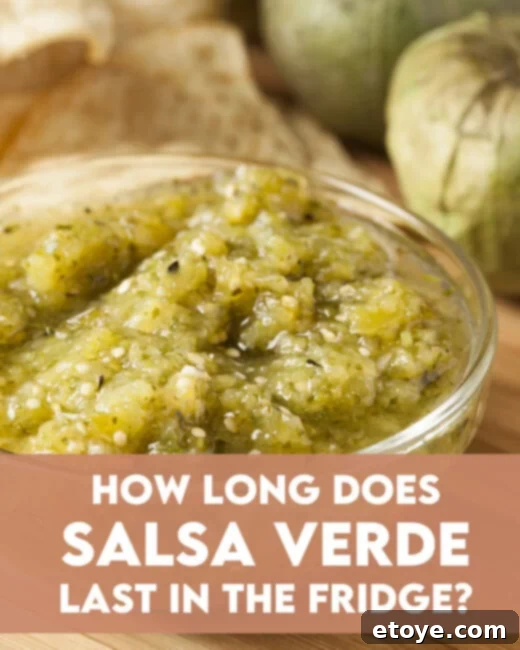
Ever found yourself staring into the abyss of your refrigerator late at night, a tortilla chip poised for action, debating the fate of that vibrant jar of salsa verde? Is it still a fresh, zesty companion, or has it ventured into the realm of questionable food safety? You’re certainly not alone in this culinary quandary.
Salsa verde, with its distinctive tangy kick and verdant hue, has a magical way of transforming ordinary meals into extraordinary experiences. Crafted from the earthy goodness of fresh tomatillos, the sharp bite of white onion, the subtle heat of serrano or jalapeño peppers, pungent garlic cloves, and aromatic cilantro, this exquisite sauce is a cornerstone of Mexican cuisine. Its irresistible flavor profile has transcended borders, becoming a global favorite for everything from simple snacking to gourmet dishes.
From generously slathering it onto crispy tortilla chips to enhancing grilled chicken, tacos, burritos, and even scrambled eggs, salsa verde’s versatility is unmatched. Given its widespread appeal and frequent use, a crucial question naturally arises for every salsa enthusiast: “How long can salsa verde maintain its vibrant freshness and irresistible flavor in the refrigerator before it crosses the line from delectable delight to a potential health risk?” Understanding its shelf life is key to both culinary enjoyment and ensuring food safety.
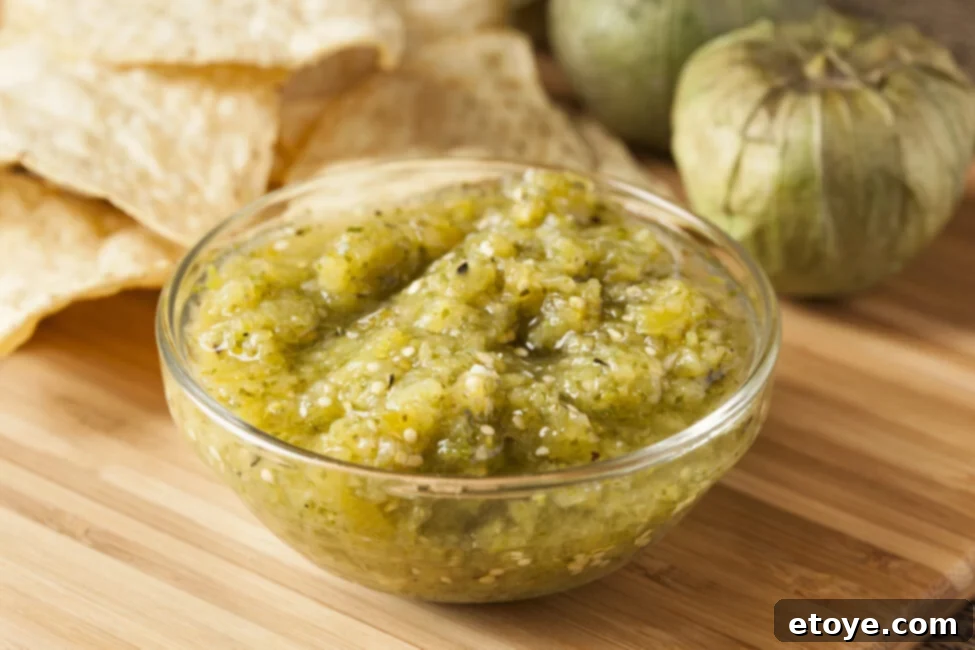
The Essential Guide to Salsa Verde Shelf Life: Keeping Your Green Goddess Fresh
Whether you’re a culinary adventurer who loves to whip up your own batch of homemade salsa verde or prefer the convenience of a store-bought jar, knowing how long this green magic will last in your fridge is paramount. The general rule of thumb provides a clear distinction between the two types, primarily due to differences in preparation and preservation methods.
Homemade Salsa Verde: Enjoying Freshness at Its Peak
For those who embrace the joy of creating salsa verde from scratch, the freshness is truly unparalleled. However, this comes with a slightly shorter shelf life. Typically, homemade salsa verde will retain its optimal flavor and texture for about 5 to 7 days when stored correctly in an airtight container in the refrigerator. This shorter duration is primarily because it lacks the artificial preservatives found in commercial varieties. The natural acidity of ingredients like tomatillos and lime juice provides some protection against spoilage, but it’s not as robust as industrial methods.
Store-Bought Salsa Verde: Convenience with Extended Life
Store-bought salsa verde often offers a more extended shelf life, thanks to the addition of preservatives and pasteurization processes. An unopened jar can last for months in the pantry, adhering to the “best by” date. Once opened, however, its shelf life significantly reduces, usually lasting up to one to two weeks in the refrigerator. Always check the label for specific storage instructions and expiry dates, as brands can vary.
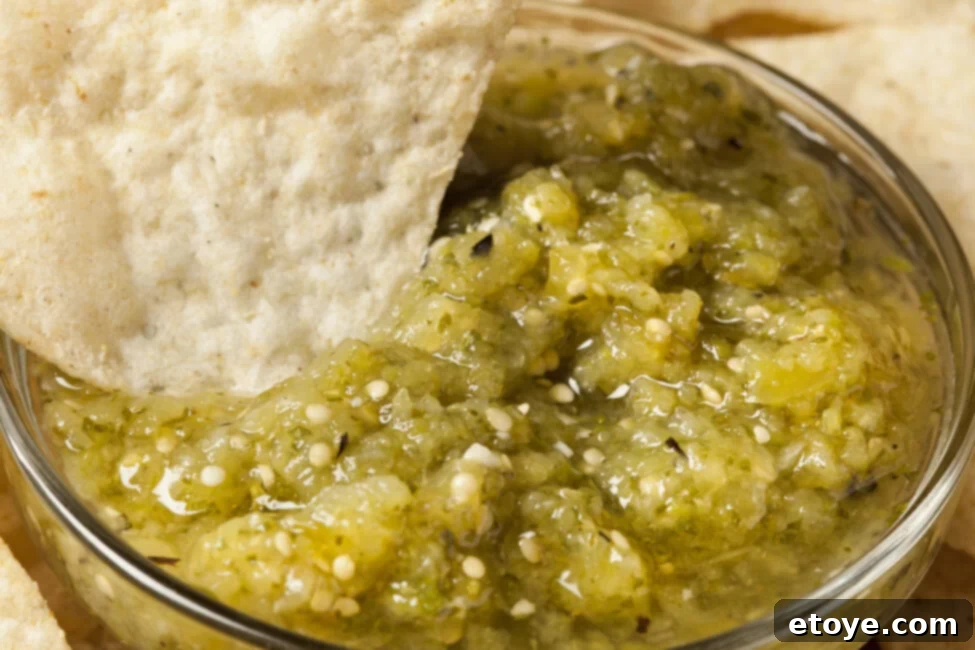
How Key Ingredients Naturally Preserve Your Salsa Verde
The longevity of your homemade salsa verde isn’t just a matter of good storage; it also greatly benefits from the natural properties of its core ingredients. Understanding these elements can help you appreciate the science behind your delicious dip.
The Power of Acidity: Tomatillos and Lime Juice
The undisputed star of salsa verde is the tomatillo, a small, vibrant green fruit encased in a papery husk. Belonging to the nightshade family, tomatillos boast a naturally high level of acidity. This acidity, coupled with the generous addition of fresh lime juice, creates an environment that is highly unfavorable for the growth of most spoilage-causing bacteria. Microorganisms typically thrive in neutral pH environments, so the acidic conditions in salsa verde act as a natural preservative, slowing down the degradation process and extending its freshness.
The Role of Peppers, Garlic, and Onion
Beyond flavor, many common salsa ingredients contribute to its preservation. Serranos and jalapeños, while primarily adding heat, contain compounds that may also possess mild antimicrobial properties. Similarly, garlic and onions are well-known for their natural antibacterial and antifungal qualities. While these contributions are secondary to acidity, they collectively play a part in maintaining the salsa’s integrity for a longer period.
Optional Additions: Oil and Vinegar for Enhanced Preservation
For those who customize their salsa verde, incorporating a small amount of oil (like olive oil or avocado oil) or a splash of vinegar (such as red wine vinegar or apple cider vinegar) can offer additional benefits. These not only introduce new layers of flavor but also bring their own natural antibacterial properties. Olive oil, for instance, contains polyphenols that can inhibit bacterial growth, while vinegar’s acetic acid is a powerful natural preservative, further lowering the pH and creating a more hostile environment for unwanted microbes.
Homemade vs. Store-Bought: A Deeper Dive into Shelf Life Differences
While we’ve touched upon the general guidelines, let’s explore the nuances that differentiate the shelf life of homemade versus commercially produced salsa verde. These distinctions are crucial for understanding proper handling and managing expectations.
The Freshness Advantage of Homemade
Homemade salsa verde, crafted with love and fresh ingredients, offers an unmatched burst of flavor. However, without the industrial preservation techniques, its window of peak quality is relatively short—typically 5 to 7 days. This timeframe assumes meticulous hygiene during preparation and immediate, proper refrigeration. The lack of preservatives means that natural enzymes and environmental bacteria will begin their work sooner, gradually altering the taste, texture, and ultimately, the safety of the salsa. It’s best enjoyed within the first few days for the freshest experience.
The Extended Convenience of Store-Bought
Commercial salsa verde undergoes specific processes to ensure a longer, safer shelf life. Pasteurization, a heat treatment, eliminates most harmful bacteria, while vacuum-sealed packaging prevents air exposure. Additionally, manufacturers often include food-grade preservatives like citric acid, sodium benzoate, or potassium sorbate, which further inhibit microbial growth. This allows unopened jars to remain shelf-stable for many months, often a year or more, until their printed “best by” date. Once opened, however, the protective seal is broken, and the salsa becomes exposed to air and potential contaminants, reducing its refrigerated life to approximately 10-14 days.
Crucial Reminder: Regardless of whether your salsa is a homemade masterpiece or a store-bought staple, its longevity is significantly influenced by how it’s handled and stored. Let’s delve into the best practices for keeping your salsa verde at its absolute best.
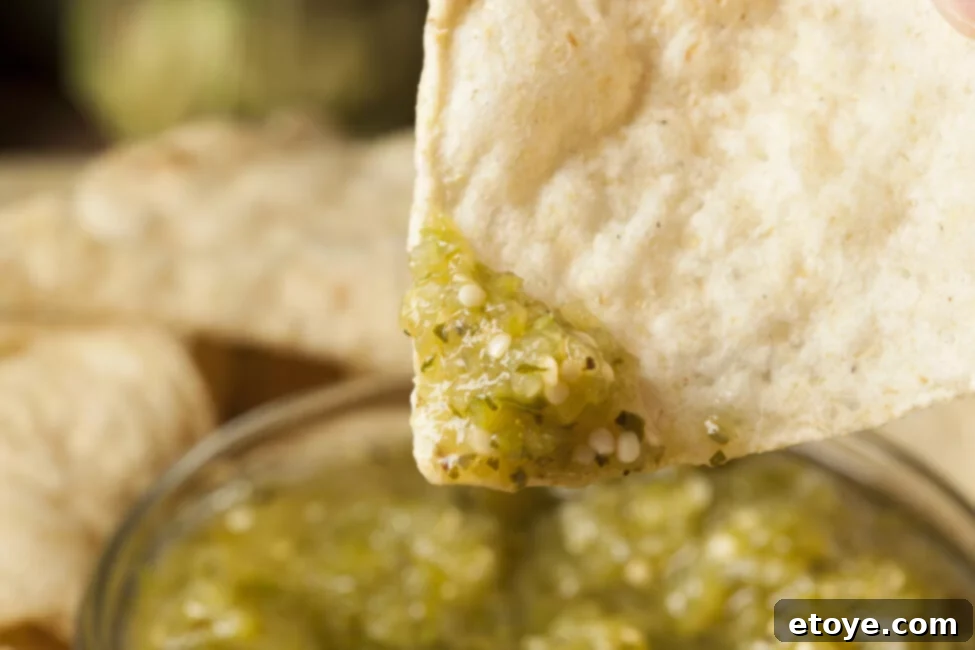
Mastering Salsa Verde Storage: Expert Tips to Maximize Freshness and Flavor
Preserving the zesty, vibrant character of your salsa verde is simpler than you might think. Adopting a few key storage habits can significantly extend its quality and ensure every scoop is as delightful as the first.
1. The Power of Airtight Containers
- Why they’re essential: Air is the enemy of freshness. Exposure to oxygen (oxidation) not only degrades flavors and colors but also provides an open invitation for airborne bacteria to settle and multiply. An airtight container creates a barrier, locking in those exquisite flavors and keeping unwanted microorganisms out.
- Choosing the right container: Glass mason jars with tight-fitting lids are often considered the gold standard due to their non-porous nature and ability to prevent flavor absorption. Food-grade, BPA-free plastic containers with secure seals are also excellent options. Ensure the container is clean and completely dry before use.
- Preventing fridge odors: A tightly sealed container also acts as a shield against “fridge odors.” Salsa verde, with its strong aromatic ingredients, can both impart and absorb smells. A good seal prevents your salsa from making your fridge smell like a fiesta and, more importantly, stops your salsa from tasting like leftover lasagna.
2. Maintain Optimal Refrigeration Temperatures
- Keep it consistently cold: The refrigerator’s main purpose is to slow down bacterial growth. Aim for a consistent temperature of 40°F (4°C) or below. Fluctuating temperatures, often caused by leaving the fridge door open for extended periods, can compromise food safety.
- Avoid the “Danger Zone”: Bacteria multiply rapidly between 40°F and 140°F (4°C and 60°C). This is known as the “danger zone.” Leaving salsa verde out at room temperature for more than two hours drastically shortens its shelf life and increases the risk of foodborne illness. Only take out the portion you intend to consume immediately.
- Rapid chilling: If you’ve made a large batch of homemade salsa, divide it into smaller, shallow containers to allow for quicker cooling in the refrigerator. Large volumes cool slowly, spending more time in the danger zone.
3. Prevent Cross-Contamination
- The “No Double-Dipping” Rule: This isn’t just about good manners; it’s a critical food safety practice. Dipping a chip that has been in your mouth, or using a spoon that has touched other foods, introduces bacteria directly into your pristine salsa. These bacteria will then happily multiply, accelerating spoilage.
- Dedicated utensils: Always use a clean, dry spoon or serving utensil specifically for scooping salsa from the main container to individual serving bowls. Never return used utensils or any salsa that has come into contact with other food back into the original container.
- Portion control: Consider serving salsa in smaller bowls or ramekins for gatherings. Refill as needed from the main, untouched batch kept refrigerated. This minimizes exposure and helps keep the bulk of your salsa fresh for longer.
When Good Salsa Goes Bad: Identifying the Unmistakable Signs of Spoilage
Even with the most diligent storage practices, all good things eventually come to an end. Recognizing the tell-tale signs that your salsa verde has turned is crucial for preventing foodborne illness. Trust your senses – if something seems off, it’s always best to err on the side of caution and discard it.
- Off-Putting Smell: Your nose is often the first and most reliable indicator. Fresh salsa verde has a vibrant, tangy, and herbaceous aroma. If it starts emitting a sour, yeasty, fermented, or any generally unpleasant and “funky” odor reminiscent of a science experiment rather than a fiesta, it’s a definitive sign of spoilage. Adios, salsa!
- Changes in Color: A healthy salsa verde should boast a lively, bright green hue. As it spoils, the color often dulls, darkens, or takes on an unappetizing brownish tint. You might also notice discolored spots or even visible mold growth – a clear signal that it’s no longer safe for consumption. Never try to scrape off mold; its roots can penetrate deeper than what’s visible on the surface.
- Alterations in Texture: Fresh salsa verde typically has a certain thickness and consistency, whether chunky or smooth. If the texture becomes unusually soupy, slimy, excessively watery, or if you notice significant separation of liquids that doesn’t resolve with a stir, these are red flags. The presence of gas bubbles also indicates active microbial fermentation, meaning your salsa has gone bad.
- Unusual Taste (Avoid Tasting): While your taste buds might be tempted to confirm your suspicions, resist the urge to taste spoiled salsa. Even a small amount can lead to foodborne illness. If the smell and appearance are questionable, it’s not worth the risk.
- The Golden Rule of Food Safety: Remember this mantra: “When in doubt, throw it out.” No craving, no matter how strong, is worth a bout of stomach upset or a more serious foodborne illness. Trust your eyes and nose in these situations, not your hopeful heart.
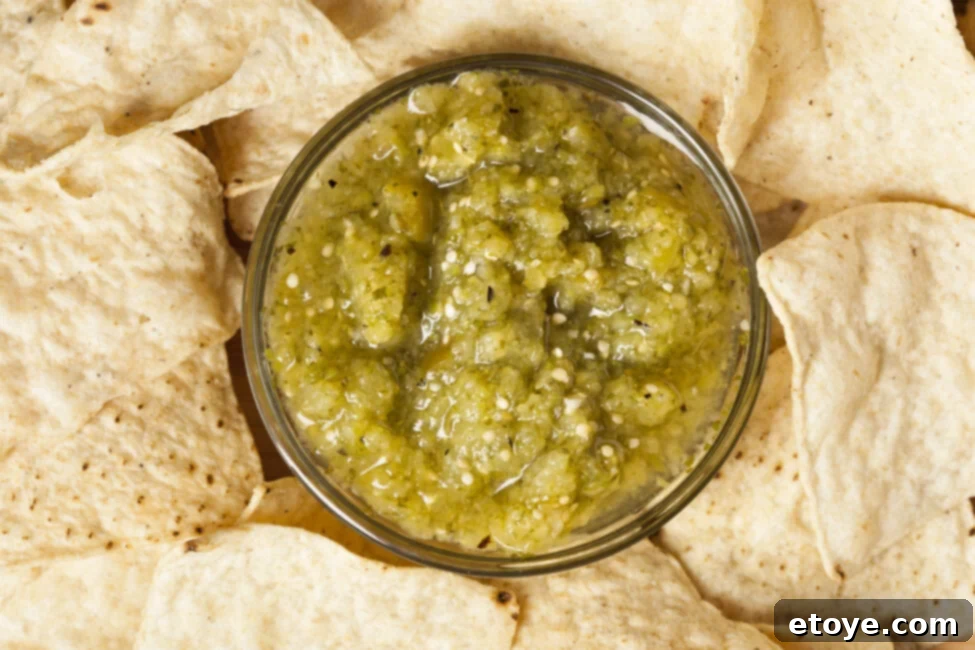
Can You Freeze Salsa Verde? A Long-Term Preservation Solution
It’s a common scenario: you got a little overzealous with your salsa verde preparation and now have a bounty that far exceeds your immediate consumption needs. The good news is, freezing is a viable option for preserving your delicious creation! However, it’s important to be aware of the potential changes that can occur during the freezing and thawing process.
Understanding the Impact of Freezing on Salsa Verde
- Texture Transformation: The primary challenge with freezing salsa verde lies in its water content. When salsa freezes, the water within its ingredients forms ice crystals. Upon thawing, these crystals break down the cell walls of the tomatillos, peppers, and cilantro, resulting in a slightly more watery, less vibrant, and sometimes mushier texture than its fresh counterpart. While a vigorous stir might help reintegrate the components, it may not fully return to its original consistency.
- Subtle Flavor Shifts: Freezing can also subtly dull the fresh, bright flavors that make salsa verde so appealing. The sharp tang of lime and the aromatic notes of cilantro might become less pronounced. This isn’t usually a deal-breaker, but be prepared to “zhuzh it up” after thawing. A squeeze of fresh lime juice, a sprinkle of fresh cilantro, or a dash of salt can often revive its taste profile.
Best Practices for Freezing Salsa Verde
- Portion Control is Key: To make thawing and usage convenient, freeze salsa verde in small, manageable portions. Ice cube trays are excellent for this; once frozen solid, transfer the salsa cubes to a freezer-safe bag or container. This allows you to thaw only what you need, minimizing waste and ensuring the rest remains perfectly frozen. Small freezer-safe containers (1/2 cup or 1 cup capacity) are also ideal.
- Leave Headroom: When freezing in containers, remember that liquids expand as they freeze. Leave about an inch of headspace at the top of your container to prevent it from cracking or overflowing.
- Label and Date: Always label your frozen salsa verde with the date it was frozen. For best quality, consume frozen salsa within 3 to 6 months. While it might remain safe beyond this, its flavor and texture will degrade over time.
- Thawing Safely: The safest way to thaw frozen salsa verde is by transferring it to the refrigerator and allowing it to thaw overnight. Avoid thawing at room temperature, as this can encourage bacterial growth.
Pro Tip: Roasted Salsa Verde for Superior Freezing
If you’re planning to make a large batch of salsa verde specifically for freezing, consider making a roasted tomatillo salsa. Roasting the tomatillos, peppers, and garlic before blending helps to reduce their water content and deepen their flavors. This pre-treatment can result in a frozen and thawed salsa verde that retains a better texture and richer flavor compared to one made with raw ingredients. The intense, smoky notes also stand up well to freezing.
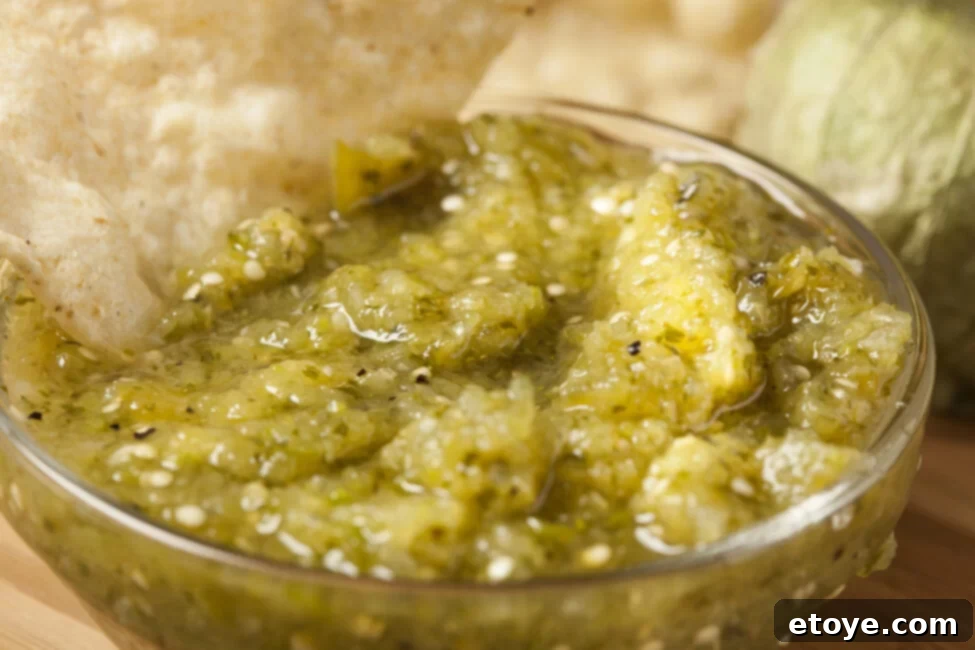
Frequently Asked Questions About Salsa Verde
As a beloved culinary staple, salsa verde often sparks many questions. Here are some common inquiries to help you master this delightful green sauce.
Can I make salsa verde without a food processor?
Absolutely! While a food processor or blender makes the task quick and easy, they are not strictly necessary. A traditional Mexican molcajete (mortar and pestle) will yield a salsa with a wonderfully rustic texture and deep, integrated flavors. Alternatively, you can finely chop all the ingredients by hand with a sharp knife. The key is to achieve your desired consistency, whether it’s perfectly smooth or delightfully chunky. Just ensure all ingredients are well combined to allow their flavors to meld.
Is there a difference between Mexican salsa verde and Italian salsa verde?
Yes, while they share a name, Mexican and Italian “salsa verde” are distinct and offer very different flavor profiles!
- Mexican Salsa Verde: This is the vibrant, tangy, and often spicy sauce we’ve been discussing. Its base is tomatillos, giving it that characteristic tartness. It typically includes fresh or roasted chili peppers (serrano or jalapeño), white onion, garlic, and fresh cilantro, often brightened with lime juice. It’s a staple for tacos, enchiladas, chilaquiles, and as a dip.
- Italian Salsa Verde: This is a non-spicy, herb-based condiment. It features a generous amount of fresh parsley as its primary herb, along with capers, anchovies (though sometimes omitted), garlic, and a hint of lemon juice or red wine vinegar, all emulsified with olive oil. It’s traditionally served with boiled meats, fish, or vegetables, offering a pungent, savory, and herbaceous flavor.
Their ingredients, preparation, and culinary applications are worlds apart, despite the shared “green sauce” moniker.
Can salsa verde be used as more than just a dip?
Oh, unequivocally yes! Salsa verde is a culinary chameleon, incredibly versatile and capable of elevating a wide array of dishes far beyond its role as a dip for tortilla chips. Its bright, acidic, and subtly spicy notes make it a fantastic flavor booster across various cuisines.
- As a Marinade or Sauce: It works wonders as a marinade for grilled chicken, pork, or fish, imparting a tangy depth. It’s also the star sauce for classic Mexican dishes like enchiladas verdes, chilaquiles, and huevos rancheros.
- Topping and Drizzle: Drizzle it over scrambled eggs, omelets, or breakfast burritos for a morning kick. It’s also fantastic spooned over roasted vegetables, baked potatoes, or even avocado toast.
- In Bowls and Salads: Incorporate it into burrito bowls for an extra layer of flavor, mix it into rice or quinoa bowls, or use it as a zesty dressing for a robust salad.
- Creative Pairings: Don’t shy away from experimenting! Try it as a topping for pizzas, mixed into cream cheese for a flavorful spread, or even swirled into a savory yogurt dip.
Its bold personality encourages creativity in the kitchen. We encourage you to explore its potential and discover new favorite pairings!
Are there any health benefits to consuming salsa verde?
Absolutely! When made with fresh, whole ingredients, salsa verde offers several nutritional advantages:
- Rich in Vitamins and Antioxidants: Tomatillos are a good source of vitamins C and K, as well as niacin and potassium. Peppers and cilantro also contribute vitamins A and C, and a host of antioxidants that combat free radicals in the body.
- Low Calorie and Hydrating: It’s a low-calorie condiment, making it a healthy alternative to many creamy sauces. Its high water content also contributes to hydration.
- Metabolism Boost: The capsaicin in chili peppers can temporarily boost metabolism and may have anti-inflammatory properties.
- Digestive Health: The fiber from the fresh vegetables can aid in digestion.
Enjoying salsa verde is not just a treat for your taste buds, but potentially beneficial for your overall health!
The conversation around this incredible green sauce is always buzzing. We know that many of you harbor secret family recipes, innovative twists, and ingenious ways to use and preserve salsa verde. We’re eager to hear your culinary insights!
Tell Us Your Salsa Verde Stories and Secrets!
What are your best tips for making the perfect salsa verde? Do you have any unique storage hacks or surprising ingredient additions? Share your tried-and-true salsa verde tips, tricks, and tales in the comments section below. Let’s celebrate this versatile condiment together!
Looking for More Essential Fridge Tips and Food Preservation Advice?
Extend the life of all your pantry and fridge staples with these helpful guides:
- How Long Does Tea Last in the Fridge Before it Goes Bad?
- How Long Does Lunch Meat Last in the Fridge?
- Which Fruits Should Be Refrigerated?
- Should Peanut Butter Be Refrigerated?